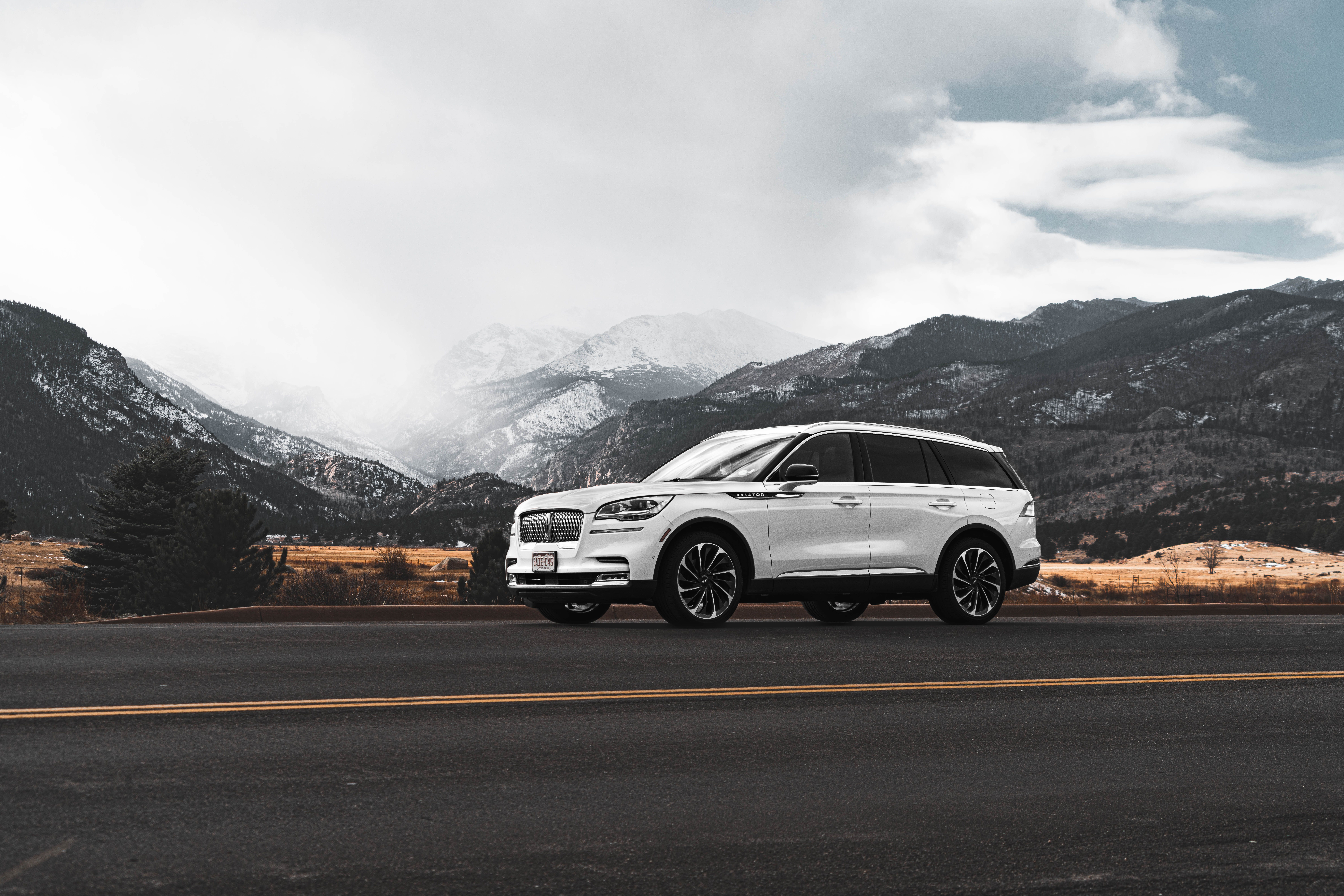
A long road trip can be one of the best ways to explore new places, visit family, or enjoy a well-earned vacation. However, your journey can quickly become stressful if your vehicle develops a problem far from home. Learning how to prepare your car for long road trips can reduce the risk of breakdowns, improve comfort, and help you travel with greater confidence.
Good preparation goes beyond filling the fuel tank. You should inspect your tires, fluids, battery, brakes, lights, emergency equipment, and several other important systems. A few checks before departure may also improve fuel economy and prevent expensive repairs.
This complete road trip car checklist explains what to inspect before you start driving.
1. Schedule a Pre-Trip Vehicle Inspection
If your vehicle has not been serviced recently, consider arranging an inspection before a long journey. A qualified mechanic can identify problems that may not be obvious during normal driving.
Ask the technician to inspect important components such as the engine, suspension, belts, hoses, brakes, battery, tires, and cooling system. This is particularly useful for older vehicles or cars with high mileage.
Do not leave major repairs until the night before departure. Schedule maintenance several days in advance when possible. This gives you time to address unexpected problems.
AAA also provides useful information about vehicle maintenance and approved auto repair services.
2. Check Your Tires Carefully
Tires are among the most important items on any long-distance driving checklist. They affect braking, handling, fuel efficiency, and overall road safety.
Check Tire Pressure
Measure tire pressure when the tires are cold and compare the results with the recommended pressure listed in your owner’s manual or on the vehicle’s tire-information label.
Avoid using the maximum pressure printed on the tire sidewall as your everyday inflation target. Follow the vehicle manufacturer’s recommendation instead.
Remember to inspect the spare tire if your vehicle has one. A flat spare tire will not help during an emergency.
Inspect Tire Condition
Look for cuts, cracks, bulges, embedded objects, and uneven tread wear. Excessive or irregular wear may indicate that the tires need replacement, rotation, balancing, or wheel alignment.
The National Highway Traffic Safety Administration tire safety resource provides additional guidance on tire maintenance and safety.
3. Inspect and Top Up Essential Fluids
Your car depends on several fluids to operate efficiently. Before a long trip, check fluid levels and look underneath the vehicle for possible leaks.
Important fluids may include engine oil, coolant, brake fluid, transmission fluid, power-steering fluid where applicable, and windshield washer fluid.
Always follow the maintenance instructions for your specific vehicle. Modern cars can have different fluid requirements, and some systems should only be serviced by trained technicians.
Check the Engine Oil
Engine oil reduces friction and protects moving engine components. If an oil change is approaching based on your manufacturer’s maintenance schedule, completing it before a major trip may be sensible.
Also investigate unexplained oil loss rather than simply adding more oil repeatedly.
Inspect the Cooling System
Long drives, traffic, high temperatures, and steep roads can place additional demands on an engine’s cooling system. Check the coolant level according to the manufacturer’s instructions and inspect visible hoses for signs of damage or leakage.
Never open a pressurized cooling system while the engine is hot.
4. Test the Car Battery
A weak battery can turn a relaxing vacation into an unexpected roadside problem. Inspect the battery terminals for corrosion and ensure connections are secure.
If the engine has become slow to start, electrical equipment behaves unusually, or the battery is approaching the end of its expected service life, consider having it professionally tested before departure.
Drivers traveling through areas with limited services should take battery condition especially seriously.
5. Inspect Your Brakes
Reliable brakes are essential when learning how to prepare your car for long road trips. Highway driving may seem easier on brakes than city traffic, but mountain roads, heavy traffic, and emergency stops can place considerable demands on the braking system.
Pay attention to warning signs such as grinding or squealing noises, unusual vibration, a soft brake pedal, pulling during braking, or increased stopping distance.
If anything feels abnormal, arrange an inspection before traveling. Brake problems should never be ignored simply because the car still stops.
6. Check Lights, Wipers, and Visibility
Good visibility becomes especially important when driving at night or through changing weather conditions.
Test your headlights, high beams, brake lights, turn signals, hazard lights, and license-plate lights. Replace failed bulbs before departure.
Next, inspect the windshield wipers. Replace blades that leave streaks, make excessive noise, or fail to clear water properly. Fill the windshield washer reservoir and clean the inside and outside of your windows.
Also adjust your mirrors before starting the journey.
7. Inspect the Air Conditioning and Heating System
Climate control affects more than comfort. Extreme temperatures can make long-distance driving tiring and distracting.
Test the air conditioning and heating system before your trip. If airflow is weak, temperatures are inconsistent, or unusual odors appear, consider having the system inspected.
A clean cabin air filter may also improve airflow and cabin comfort, depending on your vehicle’s maintenance requirements.
8. Prepare a Roadside Emergency Kit
Even a well-maintained vehicle can experience an unexpected problem. Therefore, every road trip emergency kit should contain practical supplies appropriate for your destination.
Useful items can include a first-aid kit, flashlight, phone charging cable or power bank, warning triangle or reflective equipment, basic tools, drinking water, weather-appropriate clothing, and important emergency contact information.
If your vehicle has a spare tire, make sure you also have the correct jack and wheel-changing equipment and understand how to use them safely.
Depending on your vehicle and experience, jumper cables or a portable jump starter may also be useful.
9. Review Your Roadside Assistance and Insurance
Check your auto insurance details before traveling, particularly if your route crosses state or national borders.
It is also useful to understand what your roadside assistance plan covers. Services may include towing, battery assistance, tire changes, lockout assistance, or emergency fuel delivery, depending on the provider and policy.
Save the relevant telephone numbers in your phone and keep another copy somewhere accessible inside the vehicle.
10. Avoid Overloading Your Vehicle
Long vacations often encourage travelers to pack more than they need. However, excessive weight can affect handling, braking, tire loads, and efficiency.
Check your vehicle’s permitted load information and avoid exceeding its limits. Distribute luggage securely and keep heavy items from moving around the cabin during sudden braking.
If you use a roof rack or cargo carrier, make sure it is installed correctly and complies with the manufacturer’s weight limits.
11. Plan for Better Fuel Efficiency
Fuel is often one of the largest expenses associated with a long road trip. Basic vehicle preparation can help you avoid unnecessary fuel consumption.
Keep tires correctly inflated, remove unnecessary cargo, maintain the vehicle according to its service schedule, and drive smoothly where road conditions permit.
Planning fuel stops in advance can also be helpful when traveling through rural or remote regions. Do not assume that another fuel station will always be available nearby.
For travelers who publish automotive content as part of an online business, road-trip guides can also complement topics such as automotive insurance, travel products, credit cards, and affiliate marketing. These categories may create additional opportunities for legitimate passive income when recommendations are useful, transparent, and relevant to readers. However, unrelated topics such as affiliate vs dropshipping or building a dropshipping business should remain secondary to the user’s search intent on an automotive article.
12. Download Maps and Plan Your Route
Your vehicle may be ready, but you should prepare your navigation tools as well.
Review the route before departure and identify fuel stations, rest areas, overnight stops, toll roads, and alternative routes. Download offline maps when traveling through areas where mobile coverage may be unreliable.
Check expected road and weather conditions shortly before leaving. Allow additional travel time when severe weather, construction, or heavy traffic is possible.
13. Get Enough Rest Before Driving
Mechanical preparation cannot compensate for an exhausted driver. Get adequate sleep before beginning a long journey and plan regular rest breaks.
Share driving responsibilities with another qualified driver when possible. If you become sleepy, find a safe place to stop rather than trying to push through fatigue.
Keep water and suitable snacks easily accessible. However, avoid activities that distract your attention from the road.
Final Road Trip Car Checklist
Before leaving home, complete one final inspection. Check your tires, fuel level, lights, fluids, battery condition, emergency equipment, documents, navigation system, and luggage.
Also confirm that your phone is charged and that essential contact information is available offline.
Learning how to prepare your car for long road trips does not require complicated mechanical knowledge. Most preparation comes down to preventive maintenance, careful inspection, sensible packing, and thoughtful route planning.
A small amount of preparation before departure can help reduce avoidable problems once you are hundreds of miles from home. More importantly, it allows you to focus on what a road trip should really be about: enjoying the journey and reaching your destination safely.
