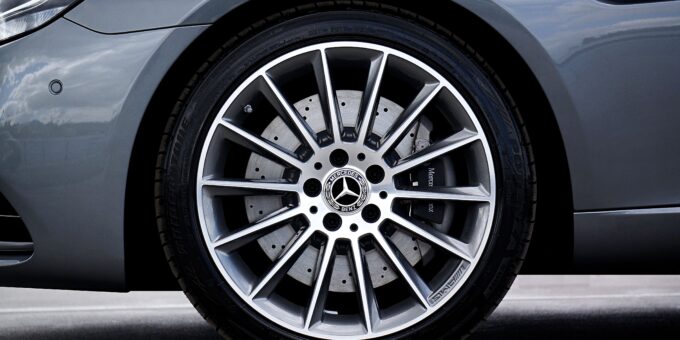
Choosing the right tires is one of the most important decisions you can make for your vehicle. Tires affect braking, handling, comfort, fuel consumption, and overall driving safety. However, many drivers simply replace old tires with whatever option is available or affordable.
Learning how to choose the right tires to improve safety and fuel efficiency can help you make a smarter purchase. The correct tires can provide better traction, reduce rolling resistance, improve handling, and potentially lower your long-term operating costs.
This guide explains tire sizes, tread designs, performance ratings, seasonal options, fuel-efficient tires, and maintenance practices. Whether you drive a small car, SUV, pickup, hybrid, or electric vehicle, these practical tips can help you find tires that match your vehicle and driving conditions.
Why Choosing the Right Tires Matters
Your tires are the only parts of your vehicle that continuously contact the road. Therefore, their condition and design directly influence how your vehicle responds when accelerating, turning, or braking.
Good tires can improve traction on wet or dry roads. They can also provide greater stability during emergency maneuvers. At the same time, tires with optimized rolling resistance may help your vehicle use less energy while moving.
The National Highway Traffic Safety Administration provides useful information about tire maintenance, tread condition, pressure, and safe tire selection through its TireWise tire safety resource.
For drivers who want to reduce transportation expenses, tire selection should be considered part of a broader money-saving strategy. Similar principles apply when managing an online business, building passive income, or comparing opportunities such as affiliate marketing and a dropshipping business. Small efficiency improvements can create meaningful savings over time.
Start With the Tire Size Recommended for Your Vehicle
Before comparing brands or tread patterns, identify the correct tire size. You can usually find this information on the vehicle information label located inside the driver’s door area or in the owner’s manual.
A common tire size may appear as P225/55R17 97V. Every part of this code provides useful information.
Understand the Tire Size Numbers
The first number represents tire width in millimeters. The second number represents the aspect ratio, which describes the sidewall height as a percentage of the tire width.
The letter R means radial construction, which is widely used in modern passenger vehicles. The next number indicates the wheel diameter in inches.
The final numbers and letters generally identify the tire’s load index and speed rating.
Do not select a different size simply because it looks sportier or costs less. Changing tire dimensions can affect speedometer accuracy, handling, braking, suspension clearance, and fuel consumption.
Check the Load Index and Speed Rating
The correct tire must safely support your vehicle’s weight. This is why the load index matters.
Each tire receives a numerical load rating representing the maximum weight it can carry under specified conditions. Replacement tires should generally meet or exceed the vehicle manufacturer’s required load rating.
The speed rating indicates the tire’s tested capability under specific conditions. Common ratings include T, H, V, W, and Y.
However, a higher speed rating does not automatically mean it is the best tire for everyday driving. Performance tires may provide sharper handling, but they can also have different ride, wear, and efficiency characteristics.
Choose the Right Tire Type for Your Climate
Climate and road conditions should strongly influence your tire choice. A tire that performs well during a warm, dry summer may not provide the same performance in freezing temperatures or heavy snow.
All-Season Tires
All-season tires are designed to provide balanced performance across a wide range of everyday conditions. They are popular because they offer reasonable comfort, tread life, wet traction, and convenience.
For drivers living in areas with mild winters, an all-season tire may provide a practical year-round solution.
Summer Tires
Summer tires are designed for strong warm-weather performance. Their rubber compounds and tread patterns typically provide excellent dry and wet-road handling during suitable temperatures.
However, summer tires are generally not intended for freezing temperatures, snow, or ice.
Winter Tires
Winter tires use specialized rubber compounds and tread designs intended to maintain traction in cold conditions. Their tread may include numerous small cuts called sipes that help increase grip on snow and slippery surfaces.
If you frequently drive in snow, ice, or prolonged freezing temperatures, dedicated winter tires may offer significant safety advantages.
All-Terrain Tires
Drivers who regularly travel on gravel, dirt, or rough roads may consider all-terrain tires. These tires generally have more aggressive tread patterns than conventional passenger tires.
However, aggressive tread can increase road noise and rolling resistance. Therefore, drivers who spend almost all their time on paved roads may benefit more from highway-oriented tires.
Look for Tires With Lower Rolling Resistance
Rolling resistance describes the energy lost as a tire rolls and deforms against the road. The engine or electric motor must continuously overcome this resistance.
Low rolling resistance tires are designed to reduce unnecessary energy loss. Manufacturers can achieve this through optimized rubber compounds, lighter construction, tread design, and other engineering techniques.
For conventional cars, reducing rolling resistance can support better fuel economy. For electric vehicles, it can help improve driving efficiency and potentially extend usable range.
However, fuel efficiency should not be the only consideration. Choose a tire that provides a suitable balance of braking performance, wet traction, durability, noise, and efficiency.
Understand Tread Patterns and Their Purpose
Tread design affects how tires handle water, maintain traction, generate noise, and respond during cornering.
Symmetrical Tread
Symmetrical tires use similar tread patterns across the tire surface. They are common on passenger vehicles and can provide good comfort, predictable handling, and flexible rotation options.
Asymmetrical Tread
Asymmetrical tires have different tread designs on the inner and outer portions of the tire. The inside may help evacuate water, while the outside may provide stronger cornering stability.
These tires are commonly used on performance-oriented passenger vehicles.
Directional Tread
Directional tires are designed to rotate in one particular direction. Their V-shaped tread patterns can help move water away from the contact area.
They may provide strong wet-weather performance, although tire rotation options can be more limited.
Pay Attention to Wet Braking Performance
Fuel savings are valuable, but safety should remain the priority. One of the most important characteristics to evaluate is wet-road braking performance.
Rain reduces available traction and increases the risk of hydroplaning. Tires with effective tread channels can move water away from the contact patch and help the tire remain connected to the road.
When comparing models, review independent tire tests that include wet braking, wet cornering, and hydroplaning resistance instead of relying only on manufacturer marketing claims.
Do Not Choose Tires Based Only on Price
The cheapest tire is not always the least expensive option over its entire life.
Imagine one tire costs less upfront but wears significantly faster. Another tire may cost more initially but provide better tread life, lower rolling resistance, and stronger wet braking performance.
In that situation, the second option could offer greater long-term value.
Consider total ownership costs, including purchase price, expected mileage, fuel efficiency, warranties, installation, balancing, and replacement frequency.
This is similar to evaluating affiliate vs dropshipping when choosing a business model. The cheapest entry point does not necessarily produce the strongest long-term financial result.
Check Tire Age Before Buying
Tread depth is not the only factor affecting tire condition. Rubber also changes as tires age.
Check the tire identification information on the sidewall and ask the retailer when the tire was manufactured. Avoid assuming that a tire is recently manufactured simply because it has never been installed.
Older tires should be inspected carefully, especially when purchasing used tires or vehicles that have been stored for extended periods.
Maintain Correct Tire Pressure for Better Efficiency
Even high-quality fuel-efficient tires cannot perform properly when they are incorrectly inflated.
Underinflated tires create additional rolling resistance. They can also generate excessive heat and cause uneven wear. Overinflation can reduce ride comfort and may affect the tire’s contact with the road.
Use the pressure recommended by your vehicle manufacturer rather than automatically using the maximum pressure printed on the tire sidewall.
NHTSA recommends checking tire pressure regularly and emphasizes that proper inflation supports both safety and fuel efficiency. You can learn more from its tire safety and savings guidance.
Inspect Tread Depth and Tire Condition Regularly
Tires gradually lose their ability to channel water as their tread wears. Therefore, regular inspections are essential.
Look for uneven wear, cracks, cuts, embedded objects, bulges, and unusual tread patterns. Uneven wear can indicate improper inflation, wheel alignment problems, worn suspension components, or other mechanical issues.
NHTSA states that tires should be replaced when tread reaches 2/32 of an inch. However, drivers who frequently encounter heavy rain or demanding road conditions may decide to replace tires earlier based on performance and professional inspection.
You can also read our related guide on how to improve your car’s fuel efficiency and save money for additional ways to lower vehicle operating costs.
Rotate and Balance Your Tires
Tires often wear at different rates because each wheel experiences different loads and forces. Regular rotation can help distribute wear more evenly.
Follow the tire manufacturer’s or vehicle manufacturer’s recommended rotation schedule.
Wheel balancing is also important. An unbalanced wheel may cause vibrations and irregular wear. When purchasing new tires, professional mounting and balancing should be included in the installation process.
Consider Wheel Alignment
Wheel alignment affects how tires contact the road. Incorrect alignment can cause rapid or uneven tread wear and may increase rolling resistance.
Common signs of alignment problems include uneven tread wear, a steering wheel that sits off-center, or a vehicle that tends to pull toward one side.
Correcting alignment problems can help protect your tire investment and maintain predictable handling.
Should You Replace Two Tires or All Four?
Replacing all four tires at the same time can provide consistent traction and handling. However, some drivers may only need to replace two because of damage or uneven wear.
If replacing fewer than four tires, follow your vehicle manufacturer’s guidance. Tire placement can be particularly important for stability and for vehicles equipped with all-wheel-drive systems.
Significant differences in tire diameter or tread depth may cause problems on certain AWD systems. Therefore, consult the owner’s manual or a qualified tire professional before mixing tires.
Consider Tires Designed for Electric Vehicles
Electric vehicles can place different demands on tires because of battery weight and immediate motor torque.
EV-focused tires may be engineered for low rolling resistance, higher load capacity, reduced road noise, and durability under high torque.
However, you do not necessarily need a tire carrying an EV-specific marketing label. The essential requirement is selecting a tire with the correct size, load rating, speed rating, safety characteristics, and manufacturer compatibility for your vehicle.
Compare the Total Value Before Buying
Before making your final decision, compare several suitable tire models rather than purchasing the first available option.
Evaluate wet braking, dry handling, rolling resistance, tread life, ride comfort, noise levels, warranty coverage, weather suitability, and price.
A smart tire purchase is an investment in safety and vehicle efficiency. The goal is not to buy the most expensive tire. Instead, choose the tire that provides the strongest combination of performance, durability, efficiency, and value for your driving conditions.
Final Thoughts
Understanding how to choose the right tires to improve safety and fuel efficiency can make everyday driving safer while helping control fuel and maintenance costs.
Start with the tire specifications recommended by your vehicle manufacturer. Then consider your climate, driving style, road conditions, rolling resistance, tread design, wet braking performance, and expected tread life.
After installation, maintain proper tire pressure, rotation, balancing, and alignment. These simple habits can help your tires perform effectively throughout their service life.
The right tires cannot compensate for unsafe driving, but they can give your vehicle better traction, predictable handling, and improved efficiency. Choose carefully, maintain them properly, and you can protect both your vehicle and your budget.
