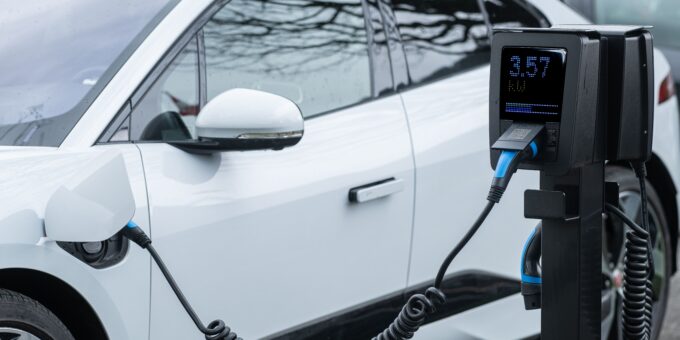
Electric vehicles have moved from a niche option to a practical choice for many drivers. They can offer lower running costs, quiet performance, advanced technology, and reduced tailpipe emissions. However, choosing the right model can be difficult because electric vehicles vary widely in price, range, charging speed, battery size, performance, and features.
If you want to know how to choose the best electric vehicle for your needs, the decision should go beyond simply buying the EV with the longest range. Your daily driving habits, charging access, budget, passenger requirements, and long-term ownership costs all matter.
This guide explains the most important factors to compare before buying an electric car. It will help you make a practical decision instead of paying extra for features you may rarely use.
Understand Your Daily Driving Requirements
The first step in learning how to choose the best electric vehicle for your needs is understanding how you actually use your car. Many buyers focus on maximum driving range even though their daily journeys are relatively short.
Start by calculating your typical weekly mileage. Consider commuting, shopping, school runs, social trips, and weekend travel. Then think about how often you make long-distance journeys.
If you mainly drive around a city, a compact EV with moderate battery capacity may be enough. In contrast, frequent motorway drivers may benefit from longer range and faster DC charging.
Choosing based on real driving habits can prevent you from paying thousands more for battery capacity you do not need.
Compare Realistic Electric Vehicle Range
Range is one of the biggest concerns for new EV buyers. Manufacturers normally advertise an estimated driving range based on standardized testing. However, actual results can vary.
Weather, driving speed, heating, air conditioning, hills, passenger weight, and driving style can all affect energy consumption. Cold weather can also reduce battery efficiency.
Therefore, do not choose an EV whose advertised range only just covers your longest regular trip. Having a reasonable buffer gives you greater flexibility and reduces charging anxiety.
How Much EV Range Do You Really Need?
For urban commuters, a vehicle offering around 150 to 250 miles of estimated range may already provide significant flexibility. Drivers who regularly travel between cities may prefer vehicles capable of covering longer distances between charging stops.
You can also visit the U.S. Department of Energy fuel economy website to compare efficiency and energy-use information for different vehicles.
Consider Where You Will Charge Your EV
Charging access may be even more important than maximum battery range. A driver with reliable home charging can usually start every morning with sufficient energy for normal daily travel.
If you have a private driveway or garage, research the cost of installing a suitable home charger. Charging overnight can be convenient and may allow you to use lower electricity tariffs where available.
Apartment residents and drivers without private parking should investigate nearby public charging infrastructure before purchasing an EV.
Our electric vehicle charging guide explains the differences between home, workplace, rapid, and public charging options.
Check Fast-Charging Performance
Two EVs can have similar battery sizes but very different charging experiences. Maximum DC charging speed is important, but it does not tell the whole story.
A vehicle may briefly reach a high charging rate before slowing down. Therefore, compare practical charging times, such as how long the battery takes to charge from approximately 10% to 80%.
Fast charging becomes particularly valuable if you regularly take long road trips.
Set a Realistic Total Budget
The purchase price is only one part of electric vehicle ownership. When comparing models, calculate the total cost over several years.
Consider financing, insurance, electricity, maintenance, depreciation, charging equipment, tires, registration costs, and possible taxes or incentives.
Electric vehicles generally have fewer moving components in their powertrains than conventional combustion vehicles. However, maintenance expenses do not disappear completely. Tires, suspension components, brakes, air conditioning systems, and other parts still require attention.
Before buying, compare total car ownership costs rather than choosing solely according to monthly finance payments.
Research Available EV Incentives
Government incentives can significantly affect the effective cost of an electric vehicle. Depending on your location, buyers may have access to purchase incentives, tax credits, charging grants, reduced registration fees, or other benefits.
However, eligibility rules frequently depend on the vehicle, purchase price, buyer, location, and policy in effect at the time of purchase.
Always verify current requirements with official government sources before including an incentive in your budget.
Drivers in the United States can review general electric vehicle information through the U.S. Department of Energy.
Choose the Right Vehicle Size and Body Style
Buying an EV that fits your lifestyle is more important than following current trends. Electric cars are now available across many categories, including compact hatchbacks, sedans, crossovers, SUVs, pickups, and luxury vehicles.
A smaller EV may be easier to park, more efficient, and cheaper to purchase. Families may need greater rear-seat space, larger cargo capacity, and easier access for children.
Drivers carrying sports equipment, luggage, business supplies, or pets should inspect the cargo area carefully rather than relying only on advertised volume figures.
If you operate an online business and regularly transport products or equipment, practical storage capacity could matter more than acceleration or luxury features.
Check Battery Warranty and Long-Term Reliability
The battery is one of the most valuable components in an electric vehicle. Therefore, review its warranty before purchasing.
Look at both the warranty period and mileage limit. You should also understand whether the manufacturer provides coverage against excessive battery capacity loss.
Battery degradation happens gradually over time, although the rate varies by battery chemistry, climate, charging behavior, mileage, and vehicle design.
For used EVs, ask for available battery health information and service records. A professional inspection can also help identify potential problems before purchase.
Compare Efficiency, Not Just Battery Size
A larger battery does not automatically make an EV better. Vehicle efficiency determines how effectively stored electricity is converted into driving range.
A lightweight, aerodynamic EV may travel farther per unit of electricity than a heavier SUV with a much larger battery.
Higher efficiency can reduce electricity consumption and shorten the amount of charging required over time. This can matter significantly for high-mileage drivers.
Think of EV efficiency in the same way an entrepreneur evaluates efficiency in affiliate marketing or a dropshipping business. More resources do not automatically create better results. Efficient use of those resources is what matters.
Evaluate Technology and Driver Assistance Features
Modern EVs often contain advanced infotainment systems, smartphone integration, connected apps, navigation-based charging planners, driver assistance systems, and over-the-air software updates.
These features can improve convenience, but they should not distract from fundamental priorities such as comfort, reliability, visibility, and usability.
During a test drive, check whether frequently used controls are easy to access. Some vehicles place almost every function inside a touchscreen, while others retain physical buttons for important controls.
You should also research which connected features require paid subscriptions after an initial trial period.
Think About Insurance Costs Before Buying
Insurance premiums can vary considerably between electric vehicles. Vehicle value, repair complexity, safety technology, performance, location, driver profile, and insurer policies can influence your premium.
Always obtain insurance estimates for several models before making a final decision.
A vehicle with a competitive purchase price could become less attractive if insurance costs are significantly higher than expected.
For more ideas, read our guide on how to lower your car insurance premium legally.
Consider Resale Value and Depreciation
Depreciation is one of the largest costs of vehicle ownership. Electric vehicle resale values can vary according to brand reputation, battery condition, technology, market demand, warranty coverage, and the introduction of newer models.
Avoid assuming that an expensive model will automatically retain its value better. Research historical resale trends for the specific vehicle category and compare expected ownership periods.
If you change cars every few years, depreciation may matter more financially than small differences in electricity consumption.
Always Take an Extended Test Drive
Specifications cannot tell you whether a vehicle feels comfortable. Whenever possible, test the EV on roads similar to those you normally drive.
Check seat comfort, visibility, braking behavior, cabin noise, suspension quality, acceleration, steering, parking visibility, and infotainment usability.
Many electric vehicles use regenerative braking, which slows the car while recovering energy. Some drivers enjoy strong one-pedal driving, while others prefer a more traditional braking feel.
Test several vehicles before deciding. Even closely matched models can feel very different in everyday driving.
Avoid Choosing an EV Based on Trends Alone
Electric vehicle marketing often emphasizes acceleration, giant touchscreen displays, advanced software, or impressive maximum range. Those features can be attractive, but they may not provide meaningful value for every buyer.
Focus on the features that improve your everyday ownership experience.
The same principle applies when comparing financial strategies such as affiliate vs dropshipping. A popular option is not automatically the right option for your circumstances. Similarly, buying an expensive EV because it is fashionable may reduce the money available for investments, savings, or other forms of passive income.
Create an EV Comparison Checklist
Before making your final choice, compare your shortlisted vehicles using the same criteria. Include purchase price, real-world range expectations, efficiency, home charging compatibility, rapid charging performance, warranty, insurance, cargo capacity, passenger space, technology, safety features, and estimated resale value.
Giving each factor a score can make the decision more objective. It also prevents one impressive specification from dominating your judgment.
This approach is particularly useful for entrepreneurs managing both transportation and online business expenses. Whether your income comes from consulting, e-commerce, affiliate marketing, or a dropshipping business, protecting cash flow remains important.
Final Thoughts on Choosing the Best Electric Vehicle
Learning how to choose the best electric vehicle for your needs means looking beyond advertisements and headline specifications. The best EV is the one that fits your driving habits, charging situation, budget, lifestyle, and long-term ownership expectations.
Begin by estimating your real driving needs. Then compare range, efficiency, charging speed, insurance, warranty coverage, space, technology, and total ownership costs. Finally, test-drive your strongest options before committing.
An electric vehicle can be a practical and rewarding purchase when it matches the way you actually drive. Careful research today can help you avoid unnecessary expenses and choose a vehicle that continues to meet your needs for years.
