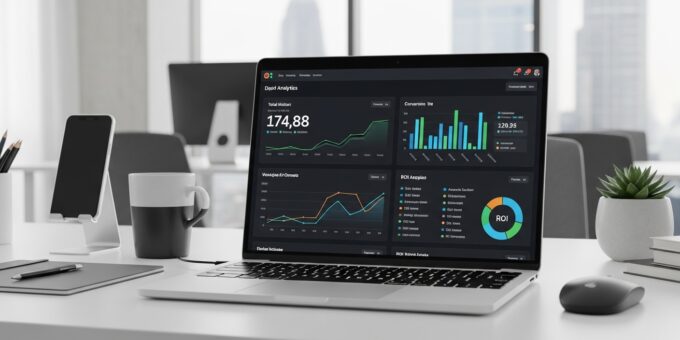
Understanding how to track and analyze your digital marketing performance is essential for any business that wants to grow sustainably. Whether you are running a blog, building an online business, or scaling affiliate marketing campaigns, data-driven decisions are the key to long-term success.
Without proper tracking, you are essentially guessing. With the right tools and strategy, you can optimize campaigns, improve ROI, and create reliable passive income streams.
Why Tracking Digital Marketing Performance Matters
Tracking your performance allows you to understand what works and what does not. This applies to all models, including affiliate vs dropshipping strategies and content-based businesses.
When you measure your results, you can:
- Identify high-performing channels
- Reduce wasted ad spend
- Improve conversion rates
- Scale profitable campaigns
For example, if your dropshipping business is generating traffic but not converting, analytics will help you pinpoint the problem.
Key Metrics You Should Track
1. Website Traffic
Website traffic is the foundation of all digital marketing analysis. It shows how many users visit your site and where they come from.
Use tools like Google Analytics to monitor:
- Organic traffic
- Paid traffic
- Referral sources
- Direct visits
If you are building an online business, increasing traffic is your first step toward growth.
2. Conversion Rate
Your conversion rate measures how many visitors take action. This could include purchases, sign-ups, or clicks.
For example:
- Affiliate marketing: Clicks leading to commissions
- Dropshipping business: Visitors turning into buyers
Improving conversion rates is often more profitable than increasing traffic.
3. Customer Acquisition Cost (CAC)
CAC tells you how much it costs to acquire a new customer. Lowering this metric improves profitability.
This is especially important when comparing models like affiliate vs dropshipping, as each has different cost structures.
4. Return on Investment (ROI)
ROI measures how much profit you generate from your marketing efforts.
A positive ROI means your campaigns are working. A negative ROI signals the need for optimization.
5. Engagement Metrics
Engagement includes:
- Bounce rate
- Time on site
- Pages per session
High engagement often leads to higher conversions and better passive income opportunities.
Best Tools to Track Digital Marketing Performance
Google Analytics
Google Analytics is a must-have tool. It provides detailed insights into user behavior, traffic sources, and conversions.
Google Search Console
Use Google Search Console to track SEO performance. It shows keyword rankings, impressions, and click-through rates.
SEMrush
SEMrush helps you analyze competitors, keywords, and backlinks. It is ideal for scaling your online business.
Ahrefs
Ahrefs is another powerful SEO tool. It is great for tracking backlinks and improving search rankings.
Email Marketing Platforms
Tools like Mailchimp provide insights into open rates, click rates, and conversions.
Email marketing is a strong driver of passive income when optimized correctly.
How to Set Up Tracking Systems
1. Define Clear Goals
Before tracking anything, define your objectives. Examples include:
- Increase sales
- Grow email subscribers
- Boost traffic
Your goals will determine which metrics matter most.
2. Install Tracking Codes
Add tracking codes from tools like Google Analytics to your website. This allows you to collect accurate data.
3. Set Up Conversion Tracking
Track specific actions such as purchases or sign-ups. This is crucial for affiliate marketing and dropshipping business models.
4. Use UTM Parameters
UTM parameters help you track campaign performance. They show which links generate the most traffic and conversions.
How to Analyze Your Data Effectively
Identify Trends
Look for patterns in your data. For example, certain blog posts or campaigns may consistently perform better.
Compare Channels
Analyze which channels bring the most value:
- SEO
- Social media
- Email marketing
- Paid ads
This is particularly useful when deciding between affiliate vs dropshipping strategies.
Segment Your Audience
Break down your audience into segments. This helps you understand different user behaviors and preferences.
Run A/B Tests
Test different versions of your content, ads, or landing pages. Small changes can lead to significant improvements.
Common Mistakes to Avoid
Ignoring Data
Collecting data without analyzing it is pointless. Always use insights to improve your strategy.
Tracking Too Many Metrics
Focus on key performance indicators (KPIs). Tracking everything can lead to confusion.
Not Testing Enough
Continuous testing is essential. The digital landscape changes rapidly.
Overlooking Mobile Users
Most traffic comes from mobile devices. Ensure your site is optimized for mobile users.
How Tracking Leads to Scalable Growth
When you consistently track and analyze your performance, you unlock scalable growth.
For example:
- Optimizing SEO increases organic traffic
- Improving conversions boosts revenue
- Automating systems creates passive income
This is how successful entrepreneurs grow their online business efficiently.
Integrating Tracking with Business Models
Affiliate Marketing
Tracking helps you identify top-performing products and content. This allows you to scale your affiliate marketing efforts.
Dropshipping
In a dropshipping business, analytics helps optimize product pages, ads, and pricing strategies.
Content-Based Businesses
Bloggers and content creators use tracking to improve SEO and engagement.
Learn more about SEO strategies here: How to Use SEO to Drive Free Traffic to Your Website
Future Trends in Digital Marketing Analytics
The future of digital marketing is driven by data and automation.
- AI-powered analytics
- Predictive modeling
- Real-time data tracking
These advancements will make it easier to scale online business models and generate passive income.
Conclusion
Mastering how to track and analyze your digital marketing performance is essential for success in today’s competitive landscape.
By focusing on key metrics, using the right tools, and continuously optimizing your strategy, you can build a profitable and scalable business.
Whether you are exploring affiliate vs dropshipping or growing an established online business, data-driven decisions will always give you a competitive edge.
