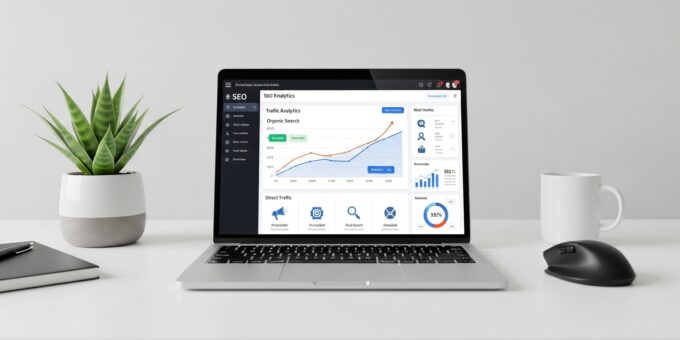
In today’s digital world, getting consistent traffic without paying for ads is one of the most valuable skills you can develop. If you understand how to use SEO to drive free traffic to your website, you can build a sustainable online business, grow your brand, and generate long-term passive income.
Search Engine Optimization (SEO) is not just about ranking on Google. It is about understanding what your audience is searching for and delivering exactly what they need. In this guide, you will learn practical, beginner-friendly strategies to help you rank higher and attract organic traffic consistently.
What Is SEO and Why It Matters
SEO is the process of optimizing your website so that search engines like Google can understand your content and rank it higher in search results.
When done correctly, SEO helps you:
- Drive free, targeted traffic
- Build authority in your niche
- Increase conversions and revenue
- Grow your online business without ads
Unlike paid advertising, SEO provides long-term results. Once your content ranks, it can bring traffic for months or even years.
Step 1: Perform Smart Keyword Research
Keyword research is the foundation of SEO. You need to know what people are searching for before creating content.
How to Find the Right Keywords
Use tools like Ahrefs, Ubersuggest, or Google Keyword Planner to find keywords with:
- High search volume
- Low competition
- Clear search intent
For example, if you are writing about affiliate marketing, you might target keywords like:
- How to start affiliate marketing
- Best affiliate programs for beginners
- affiliate vs dropshipping
Long-tail keywords are especially powerful because they are easier to rank for and attract more targeted visitors.
Step 2: Create High-Quality Content That Ranks
Content is the core of SEO. Google prioritizes helpful, relevant, and well-structured content.
What Makes Content SEO-Friendly
Your content should:
- Answer the user’s question clearly
- Include the main keyword naturally
- Be easy to read with short paragraphs
- Use headings (H2, H3) properly
For example, if you are writing about dropshipping business, your content should explain how it works, its pros and cons, and how beginners can start.
Always focus on value. The more helpful your content is, the higher it will rank.
Step 3: Optimize On-Page SEO Elements
On-page SEO ensures that search engines can understand your content.
Key On-Page SEO Factors
- Title Tag: Include your main keyword
- Meta Description: Write a compelling summary
- Headings: Use structured headings
- URL: Keep it short and keyword-rich
- Internal Links: Link to related posts
For example, you can link to your own article about affiliate marketing strategies to keep users engaged longer on your site.
This improves both user experience and SEO rankings.
Step 4: Use Internal and External Linking
Linking is essential for SEO success.
Internal Linking
Internal links connect your content and help search engines crawl your website.
For example, if you write about passive income, link to related topics like:
- affiliate marketing
- dropshipping business
- affiliate vs dropshipping
External Linking
External links to authoritative sources improve credibility. For example:
Learn more about SEO basics from Google’s SEO Starter Guide.
Step 5: Improve Website Speed and User Experience
Google ranks websites that provide a great user experience.
Ways to Improve UX
- Use fast hosting
- Optimize images
- Ensure mobile responsiveness
- Reduce page load time
A slow website can hurt your rankings and increase bounce rates.
If your site loads quickly and is easy to navigate, users will stay longer, which signals quality to search engines.
Step 6: Build High-Quality Backlinks
Backlinks are links from other websites to your content. They are one of the strongest ranking factors.
How to Get Backlinks
- Guest posting on blogs
- Creating shareable content
- Networking with other bloggers
- Listing your site in directories
For example, writing a guest post about online business strategies can bring both traffic and backlinks.
The more quality backlinks you have, the more authority your site gains.
Step 7: Optimize for Search Intent
Search intent is the reason behind a user’s query.
Types of Search Intent
- Informational: Learning something
- Navigational: Finding a website
- Transactional: Ready to buy
If someone searches for “best affiliate marketing platforms,” they are likely comparing options.
Your content should match this intent by providing comparisons, pros and cons, and recommendations.
Step 8: Use SEO to Monetize Your Traffic
Once you start getting traffic, you can turn it into income.
Ways to Monetize SEO Traffic
- Affiliate marketing
- Display ads
- Selling digital products
- Offering services
For example, writing content about affiliate vs dropshipping can attract readers interested in starting an online business.
You can then recommend tools or platforms and earn commissions.
This is how SEO helps generate passive income over time.
Step 9: Track and Improve Your SEO Performance
SEO is not a one-time task. You need to monitor and improve your strategy.
Tools to Track SEO
Track metrics like:
- Organic traffic
- Keyword rankings
- Bounce rate
- Conversion rate
Use this data to update and improve your content regularly.
Common SEO Mistakes to Avoid
- Keyword stuffing
- Ignoring mobile optimization
- Publishing low-quality content
- Not updating old posts
Avoiding these mistakes can significantly improve your SEO results.
Final Thoughts
Learning how to use SEO to drive free traffic to your website is one of the most powerful skills for building a successful online business.
It takes time, consistency, and effort. But once your content starts ranking, the rewards can be massive.
Whether you are focusing on affiliate marketing, running a dropshipping business, or exploring affiliate vs dropshipping, SEO can help you attract the right audience and generate long-term passive income.
Start implementing these strategies today, and you will begin to see results over time.
