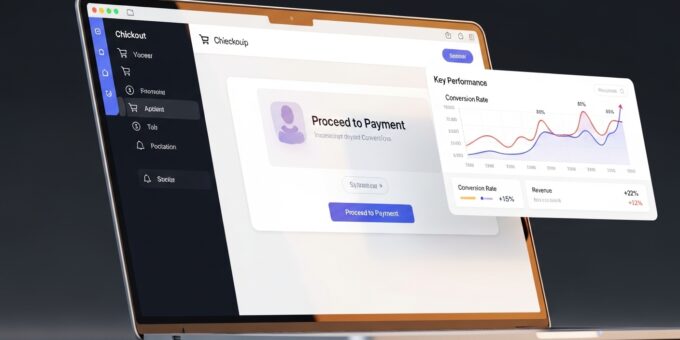
How to reduce cart abandonment in your e-commerce store is one of the most critical challenges for any online business. Studies show that nearly 70% of shoppers abandon their carts before completing a purchase. That means you could be losing a huge portion of potential revenue every single day.
The good news is that cart abandonment is not random. It happens for predictable reasons, and with the right strategies, you can significantly reduce it and increase your conversions. In this guide, you will learn proven techniques to recover lost sales and build a more profitable e-commerce store.
What Is Cart Abandonment and Why It Matters
Cart abandonment occurs when a customer adds products to their shopping cart but leaves the website without completing the purchase. This behavior directly impacts your revenue and growth potential.
For businesses focused on passive income or scaling through models like affiliate marketing or a dropshipping business, reducing abandonment is essential. Every recovered sale improves your return on investment and customer lifetime value.
You can explore more about e-commerce strategies on Shopify’s cart abandonment guide.
Common Reasons Customers Abandon Carts
Before fixing the issue, you need to understand why it happens. Here are the most common reasons:
1. Unexpected Costs
Shipping fees, taxes, and hidden charges are the top reasons customers leave. Transparency is key.
2. Complicated Checkout Process
Too many steps or required fields can frustrate users and push them away.
3. Lack of Trust
If your website looks unsecure or unfamiliar, customers may hesitate to complete the purchase.
4. Slow Website Speed
Even a few seconds delay can lead to lost sales.
5. Limited Payment Options
Customers want flexibility. Not offering their preferred method can result in abandonment.
How to Reduce Cart Abandonment in Your E-commerce Store
1. Simplify the Checkout Process
The easier it is to buy, the more likely customers will complete their purchase. Reduce unnecessary steps and make the checkout process as smooth as possible.
Offer guest checkout options. Many users do not want to create an account before buying. A seamless experience increases trust and conversions.
If you are running a dropshipping business, this is even more important because customers may not already trust your brand.
2. Be Transparent About Costs
Display shipping fees and taxes early in the buying process. Surprise costs at checkout are one of the biggest conversion killers.
Consider offering free shipping or clearly communicating thresholds like “Free shipping on orders over $50.”
This strategy works well whether you are comparing affiliate vs dropshipping models or running a hybrid online business.
3. Optimize Website Speed and Performance
A fast website keeps users engaged. Use tools like Google PageSpeed Insights to test and improve your performance.
Optimize images, reduce unnecessary scripts, and use reliable hosting. Faster loading times directly improve conversion rates.
4. Build Trust with Security Signals
Customers need to feel safe when entering their payment details. Add trust badges, SSL certificates, and secure payment logos.
Include customer reviews and testimonials. Social proof reassures buyers that others have successfully purchased from you.
This is especially important for those building passive income streams through e-commerce.
5. Offer Multiple Payment Options
Provide a variety of payment methods such as credit cards, PayPal, Apple Pay, and buy-now-pay-later services.
The more flexible you are, the more likely customers will complete their purchase.
Modern online business models thrive on convenience and accessibility.
6. Use Exit-Intent Popups
Exit-intent popups detect when a user is about to leave your site and display a targeted offer. This could be a discount, free shipping, or a reminder.
These popups can recover a significant portion of abandoned carts when used strategically.
7. Send Abandoned Cart Emails
Email marketing is one of the most effective ways to recover lost sales. Send a sequence of reminders to customers who leave items in their cart.
A typical sequence includes:
- First email: Reminder within 1 hour
- Second email: Offer within 24 hours
- Third email: Urgency message within 48 hours
Learn more about email strategies on Mailchimp’s abandoned cart guide.
8. Improve Mobile Experience
A large percentage of users shop on mobile devices. Ensure your site is fully responsive and easy to navigate on smaller screens.
Use larger buttons, simple forms, and fast-loading pages to improve usability.
9. Add Urgency and Scarcity
Encourage faster decision-making by showing limited stock or time-sensitive offers.
Examples include:
- “Only 3 items left in stock”
- “Sale ends in 2 hours”
These tactics can significantly reduce hesitation and increase conversions.
10. Retarget Abandoned Visitors
Use retargeting ads on platforms like Facebook and Google to bring customers back to your store.
Show them the exact products they viewed or added to their cart. This keeps your brand top of mind.
Retargeting works well alongside affiliate marketing strategies to maximize revenue.
Advanced Strategies to Reduce Cart Abandonment
Personalization
Use customer data to personalize the shopping experience. Recommend products based on browsing history and preferences.
Personalization increases engagement and builds stronger connections with customers.
Live Chat Support
Provide real-time assistance to answer questions and resolve concerns. This can prevent customers from leaving due to uncertainty.
Clear Return Policies
A simple and transparent return policy reduces risk for customers. Make it easy to find and understand.
This builds confidence and encourages purchases.
How Cart Optimization Supports Long-Term Growth
Reducing cart abandonment is not just about increasing immediate sales. It also supports long-term growth.
When customers have a smooth experience, they are more likely to return and recommend your store. This creates a sustainable revenue stream.
Whether you are building a dropshipping business or exploring affiliate vs dropshipping opportunities, optimizing your checkout process is a key step toward success.
Key Metrics to Track
To measure your progress, monitor these metrics:
- Cart abandonment rate
- Checkout completion rate
- Average order value
- Conversion rate
Use tools like Google Analytics to track and analyze user behavior.
Final Thoughts
Learning how to reduce cart abandonment in your e-commerce store can transform your business. Small improvements in your checkout process can lead to significant increases in revenue.
Focus on simplicity, transparency, and trust. Combine these with smart marketing strategies like email recovery and retargeting.
As your online business grows, these optimizations will help you build a reliable and scalable source of passive income.
Start implementing these strategies today and turn abandoned carts into completed sales.
