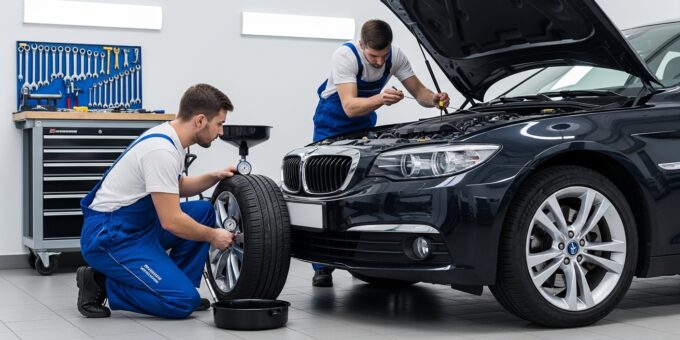
Owning a car is convenient, but it can also be costly if you neglect proper maintenance. Learning how to protect your car from expensive repairs is essential for saving money and extending your vehicle’s lifespan. With the right strategies, you can avoid unexpected breakdowns and keep your car running smoothly for years.
In this guide, we will explore practical tips, preventive maintenance strategies, and smart habits that help reduce repair costs. Whether you are a new driver or an experienced car owner, these insights will help you make better decisions.
Why Preventive Maintenance Matters
Preventive maintenance is the key to avoiding costly repairs. Small issues, if ignored, can quickly turn into major problems. Regular inspections and servicing help detect faults early.
Think of your car like an investment. Just as you would protect your finances through passive income strategies or build an online business, maintaining your car ensures long-term savings.
For more details on vehicle maintenance basics, check this helpful resource from
RAC Car Maintenance Guide.
Follow a Regular Service Schedule
Stick to Manufacturer Recommendations
Your car manufacturer provides a service schedule for a reason. Following it ensures your engine, transmission, and other components stay in good condition.
Routine servicing includes:
- Oil and filter changes
- Brake inspections
- Fluid top-ups
- Battery checks
Ignoring these basics often leads to expensive repairs later.
Keep Service Records
Maintaining a service history increases your car’s resale value. It also helps mechanics diagnose issues faster.
Check Your Engine Oil Regularly
Engine oil lubricates moving parts and prevents overheating. Low or dirty oil can cause severe engine damage.
To protect your car:
- Check oil levels monthly
- Change oil every 5,000–10,000 miles
- Use the recommended oil type
Neglecting oil changes is one of the fastest ways to face costly engine repairs.
Maintain Your Tires Properly
Check Tire Pressure
Incorrect tire pressure affects fuel efficiency and causes uneven wear. Underinflated tires can even lead to blowouts.
Rotate Tires Regularly
Rotating your tires ensures even wear and extends their lifespan. This simple step prevents premature replacement.
Proper tire care not only saves money but also improves safety.
Pay Attention to Warning Lights
Modern cars are equipped with dashboard warning lights. Ignoring them can lead to serious damage.
Common warning lights include:
- Check engine light
- Oil pressure warning
- Brake system alert
If a warning light appears, address it immediately. Delaying repairs often increases costs significantly.
Protect Your Car Battery
A dead battery can leave you stranded. Fortunately, battery maintenance is simple.
- Clean battery terminals regularly
- Avoid leaving lights on
- Test battery health annually
Replacing a battery is inexpensive compared to dealing with electrical system failures.
Keep Your Car Clean Inside and Out
Exterior Cleaning
Dirt, salt, and debris can damage your car’s paint and cause rust. Regular washing protects the bodywork.
Interior Maintenance
Keeping the interior clean prevents wear and tear. It also maintains resale value.
Consider professional detailing occasionally for long-term preservation.
Drive Smart to Avoid Wear and Tear
Your driving habits directly impact your car’s condition. Aggressive driving increases stress on components.
To reduce damage:
- Avoid sudden braking
- Accelerate smoothly
- Drive at consistent speeds
Smart driving reduces the likelihood of expensive repairs and improves fuel efficiency.
Replace Filters on Time
Filters play a crucial role in your car’s performance. Dirty filters reduce efficiency and strain the engine.
Key filters to replace include:
- Air filter
- Fuel filter
- Cabin filter
Replacing filters is inexpensive but prevents costly engine issues.
Use Quality Parts and Fluids
Using cheap or low-quality parts may save money initially but often leads to bigger problems.
Always choose:
- OEM (Original Equipment Manufacturer) parts
- High-quality fluids
This ensures compatibility and long-term reliability.
Protect Your Car from Environmental Damage
Park in Safe Locations
Whenever possible, park in a garage or shaded area. This protects your car from sun damage, rain, and debris.
Use a Car Cover
A car cover provides extra protection if you park outdoors regularly.
Environmental protection helps prevent paint damage and rust.
Don’t Ignore Small Problems
Minor issues can quickly escalate. A strange noise or vibration should never be ignored.
Examples include:
- Squeaky brakes
- Engine knocking
- Fluid leaks
Fixing small problems early is far cheaper than major repairs.
Learn Basic DIY Maintenance
Understanding simple car maintenance tasks can save money and time.
Basic skills include:
- Checking fluid levels
- Replacing wiper blades
- Changing air filters
These small efforts contribute significantly to how to protect your car from expensive repairs.
Build Smart Financial Habits Around Car Ownership
Managing car expenses wisely is just as important as maintenance. Just like comparing affiliate vs dropshipping models in an online business, making informed decisions helps reduce long-term costs.
You can also explore additional income streams like affiliate marketing or starting a dropshipping business to offset vehicle expenses.
For more financial tips, visit
MoneyHelper UK.
Invest in Regular Inspections
Even if your car seems fine, periodic inspections can uncover hidden issues.
Professional inspections typically check:
- Suspension system
- Brake condition
- Engine performance
Regular inspections are a small investment compared to major repair costs.
Conclusion
Understanding how to protect your car from expensive repairs is all about consistency and awareness. Regular maintenance, smart driving habits, and early problem detection can save you thousands over time.
By following these tips, you not only extend your car’s lifespan but also improve safety and reliability. Treat your car with care, and it will reward you with fewer breakdowns and lower expenses.
