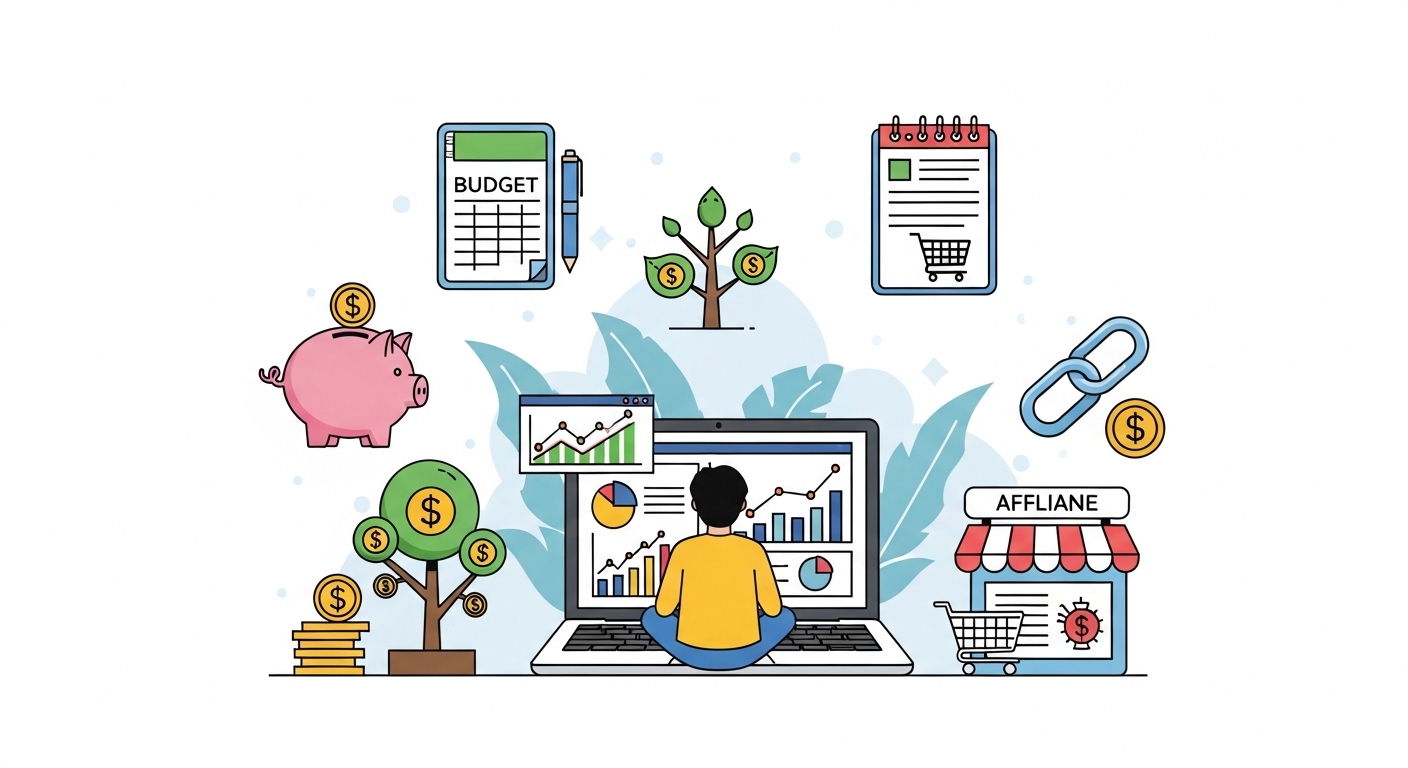
Learning how to manage your money wisely and achieve financial freedom is one of the most valuable life skills. Financial stability does not happen overnight. It requires planning, discipline, and the right strategies.
Many people struggle with money because they lack a clear system. However, once you understand how to control spending, grow savings, and build multiple income streams, financial freedom becomes achievable.
This guide explains practical strategies to help you manage money effectively, eliminate financial stress, and build long-term wealth.
What Does Financial Freedom Really Mean?
Financial freedom means having enough money and assets to live the life you want without constantly worrying about income. It does not necessarily mean being extremely wealthy.
Instead, it means your income sources and investments generate enough cash flow to cover your lifestyle. Many people achieve this through passive income, investments, or scalable ventures like an online business.
Once your income exceeds your expenses consistently, you gain more flexibility and control over your time.
Why Money Management Is Essential
Without proper money management, even high earners can struggle financially. Effective financial habits help you:
- Reduce unnecessary expenses
- Build emergency savings
- Eliminate debt faster
- Create long-term wealth
- Develop multiple income streams
Understanding how to manage your money wisely and achieve financial freedom gives you the foundation needed to reach your long-term financial goals.
Create a Clear Budget System
Track Your Income and Expenses
The first step to financial control is understanding where your money goes. Many people underestimate how much they spend on small daily purchases.
Track all expenses for at least a month. Use tools like spreadsheets or budgeting apps such as
You Need A Budget.
Once you see the data clearly, it becomes easier to adjust spending habits.
Use the 50/30/20 Budget Rule
A simple budgeting strategy is the 50/30/20 rule:
- 50% for necessities (rent, bills, groceries)
- 30% for lifestyle spending
- 20% for savings and investments
This system helps maintain balance between enjoying life and building long-term wealth.
Build a Strong Emergency Fund
Unexpected expenses happen. Medical bills, job loss, or urgent repairs can disrupt your finances.
Experts recommend saving at least three to six months of living expenses in an emergency fund.
Store this money in a high-interest savings account so it remains accessible while still earning some interest.
Having this safety net reduces financial stress and prevents unnecessary debt.
Eliminate High-Interest Debt
Debt is one of the biggest barriers to financial freedom. Credit card interest and personal loans can quickly accumulate.
Focus on eliminating high-interest debt first.
The Debt Snowball Method
This strategy focuses on paying off the smallest debt first while making minimum payments on others.
As each debt disappears, the motivation increases.
The Debt Avalanche Method
This method prioritizes debts with the highest interest rate first. It saves more money over time.
Choose the method that best matches your motivation style.
Increase Your Income Streams
Saving money alone is rarely enough to achieve financial freedom quickly. Increasing income accelerates wealth building.
One of the most powerful ways to do this is by creating digital income streams.
Start an Online Business
An online business can generate income from anywhere in the world.
Examples include:
- E-commerce stores
- Freelancing services
- Content creation
- Digital product sales
Platforms like Shopify make launching online stores easier than ever.
Explore Affiliate Marketing
Affiliate marketing is another effective way to build income online.
It involves promoting products and earning commissions for every sale generated through your referral links.
Learn more about how affiliate systems work in this guide on
affiliate vs dropshipping.
Start a Dropshipping Business
A dropshipping business allows you to sell products without holding inventory.
Suppliers ship the products directly to customers while you focus on marketing and customer acquisition.
This business model has low startup costs and can scale rapidly when executed correctly.
Invest for Long-Term Wealth
Investing helps your money grow faster than saving alone.
By investing consistently, compound interest works in your favor.
Stock Market Investing
Investing in diversified index funds or ETFs allows you to benefit from long-term market growth.
Many beginners use platforms like
Vanguard or
Fidelity.
Real Estate Investing
Property investments can generate rental income and long-term asset appreciation.
Some investors also use real estate crowdfunding platforms to start with smaller capital.
Build Passive Income Assets
The goal of investing is creating sustainable passive income.
Examples include:
- Dividend stocks
- Rental properties
- Digital products
- Content monetization
Over time, these assets can generate income without requiring constant work.
Develop Smart Spending Habits
Achieving financial freedom also requires mindful spending.
Instead of impulsive purchases, focus on intentional spending that supports long-term goals.
Delay Non-Essential Purchases
Use the 24-hour rule before buying non-essential items.
This helps eliminate emotional spending and improves financial discipline.
Prioritize Value Over Price
Cheap purchases often become expensive if they require frequent replacement.
Investing in quality products can reduce long-term costs.
Automate Your Finances
Automation removes the temptation to skip savings.
Set up automatic transfers for:
- Savings accounts
- Investment contributions
- Debt payments
When these systems run automatically, your financial progress becomes consistent and predictable.
Learn Financial Education Continuously
Financial literacy is one of the most powerful tools for long-term success.
Learning about investments, business models, and money psychology helps you make smarter financial decisions.
Recommended resources include:
- Investopedia
- Finance podcasts and books
- Online courses about entrepreneurship
The more you understand money, the easier it becomes to grow and protect it.
Set Clear Financial Goals
Goals provide direction and motivation.
Examples of financial goals include:
- Saving your first $10,000
- Eliminating all credit card debt
- Launching an online business
- Building multiple passive income streams
Break large goals into smaller milestones. Achieving each step builds confidence and momentum.
Stay Consistent and Patient
Financial freedom rarely happens instantly. It is the result of consistent habits over time.
By learning how to manage your money wisely and achieve financial freedom, you build the foundation for long-term financial stability.
Focus on disciplined saving, strategic investing, and building scalable income streams such as affiliate marketing or a dropshipping business.
With persistence and smart financial decisions, financial freedom becomes a realistic and achievable goal.
Final Thoughts
Managing money wisely is not about restriction. It is about creating freedom and opportunity.
When you control your finances instead of letting them control you, life becomes less stressful and more fulfilling.
Start small, stay consistent, and continue learning. Over time, these simple financial habits can transform your financial future.
