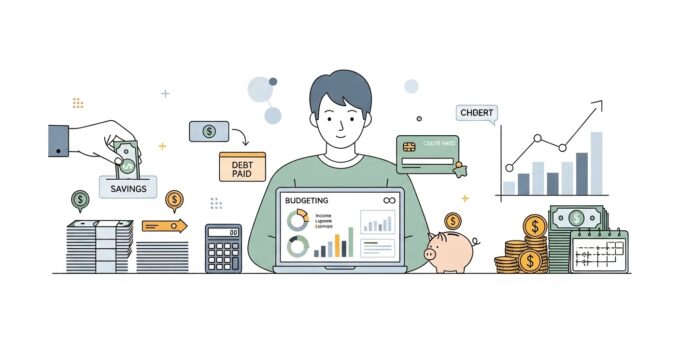
Learning how to manage debt and improve your personal financial health is one of the most important skills in today’s economy. Whether you are dealing with student loans, credit card balances, or personal loans, effective debt management can reduce stress, increase savings, and open the door to long-term wealth building.
In this guide, you will discover practical strategies to take control of your finances, eliminate debt, and build a healthier financial future. Along the way, we will also explore how opportunities like affiliate marketing, online business, and passive income streams can accelerate your financial recovery.
Why Managing Debt Matters for Financial Health
Debt is not always bad. In some cases, it helps you invest in education or property. However, unmanaged debt can quickly spiral into financial instability. High-interest debt, especially from credit cards, can limit your ability to save or invest.
Understanding how to manage debt and improve your personal financial health allows you to:
- Reduce financial stress
- Improve your credit score
- Increase savings and investment opportunities
- Achieve financial independence faster
Step 1: Assess Your Current Financial Situation
List All Your Debts
Start by writing down all your debts. Include balances, interest rates, and minimum payments. This gives you a clear picture of what you owe.
Track Your Income and Expenses
Calculate your monthly income and compare it with your expenses. Use budgeting tools like YNAB or Mint to simplify tracking.
This step is essential for understanding where your money goes and identifying areas to cut back.
Step 2: Create a Realistic Budget
A budget is your financial roadmap. It helps you allocate money for essential expenses, savings, and debt repayment.
Use the 50/30/20 Rule
This popular method divides your income into:
- 50% for needs
- 30% for wants
- 20% for savings and debt repayment
If you are heavily in debt, consider increasing the percentage allocated to repayments.
Step 3: Choose a Debt Repayment Strategy
Debt Snowball Method
This method focuses on paying off the smallest debts first. It builds motivation through quick wins.
Debt Avalanche Method
This approach prioritizes debts with the highest interest rates. It saves more money over time.
Both methods are effective. Choose the one that suits your personality and financial situation.
Step 4: Reduce Expenses and Increase Income
To accelerate debt repayment, you need to free up more cash flow.
Cut Unnecessary Expenses
Review subscriptions, dining habits, and entertainment costs. Even small savings can add up over time.
Start a Side Hustle
Consider building an online business or exploring affiliate marketing. These options allow you to earn extra income with relatively low startup costs.
For example, you can create a blog or YouTube channel and promote products through Amazon Associates.
Step 5: Build an Emergency Fund
An emergency fund protects you from unexpected expenses like medical bills or car repairs. Without it, you may rely on credit, increasing your debt.
Aim to save at least 3–6 months of living expenses. Start small if needed. Even saving £500 can make a difference.
Step 6: Improve Your Credit Score
Your credit score affects your ability to borrow money and the interest rates you receive.
Pay Bills on Time
Payment history is a major factor in your credit score. Always pay at least the minimum amount due.
Reduce Credit Utilization
Try to use less than 30% of your available credit. Lower utilization improves your score.
You can check your credit score using services like Experian UK.
Step 7: Avoid Common Debt Traps
Even if you are making progress, certain habits can pull you back into debt.
- Relying on credit cards for daily expenses
- Ignoring interest rates
- Taking on new debt unnecessarily
- Not having a financial plan
Being aware of these traps helps you stay on track.
Step 8: Build Long-Term Financial Stability
Once your debt is under control, focus on building wealth.
Invest for the Future
Consider investing in stocks, ETFs, or retirement accounts. Over time, compound interest can significantly grow your wealth.
Create Passive Income Streams
Developing passive income is a powerful way to improve your financial health. Options include:
- Blogging with affiliate marketing
- Starting a dropshipping business
- Selling digital products
If you are unsure where to start, compare affiliate vs dropshipping to find the best fit for your goals.
Step 9: Automate Your Finances
Automation makes financial management easier and more consistent.
- Set up automatic bill payments
- Automate savings transfers
- Schedule debt repayments
This reduces the risk of missed payments and helps you stay disciplined.
Step 10: Stay Consistent and Monitor Progress
Improving your financial health is a long-term process. Regularly review your budget, track your debt reduction, and adjust your strategy as needed.
Celebrate small milestones. Paying off a single debt or reaching a savings goal is a big achievement.
How Online Opportunities Can Support Debt Management
In today’s digital world, earning extra income has never been easier. Leveraging an online business can significantly speed up your journey.
Affiliate Marketing
Promote products and earn commissions without holding inventory. It is one of the easiest ways to generate passive income.
Dropshipping Business
This model allows you to sell products without managing stock. Understanding affiliate vs dropshipping helps you choose the right path.
Both models can complement your debt repayment plan and improve financial stability.
Final Thoughts
Mastering how to manage debt and improve your personal financial health is not about quick fixes. It requires discipline, planning, and consistency.
By assessing your finances, creating a budget, choosing the right repayment strategy, and exploring additional income streams like affiliate marketing or a dropshipping business, you can take control of your financial future.
Start today. Small steps can lead to big changes, and over time, you will build a strong foundation for lasting financial success.
