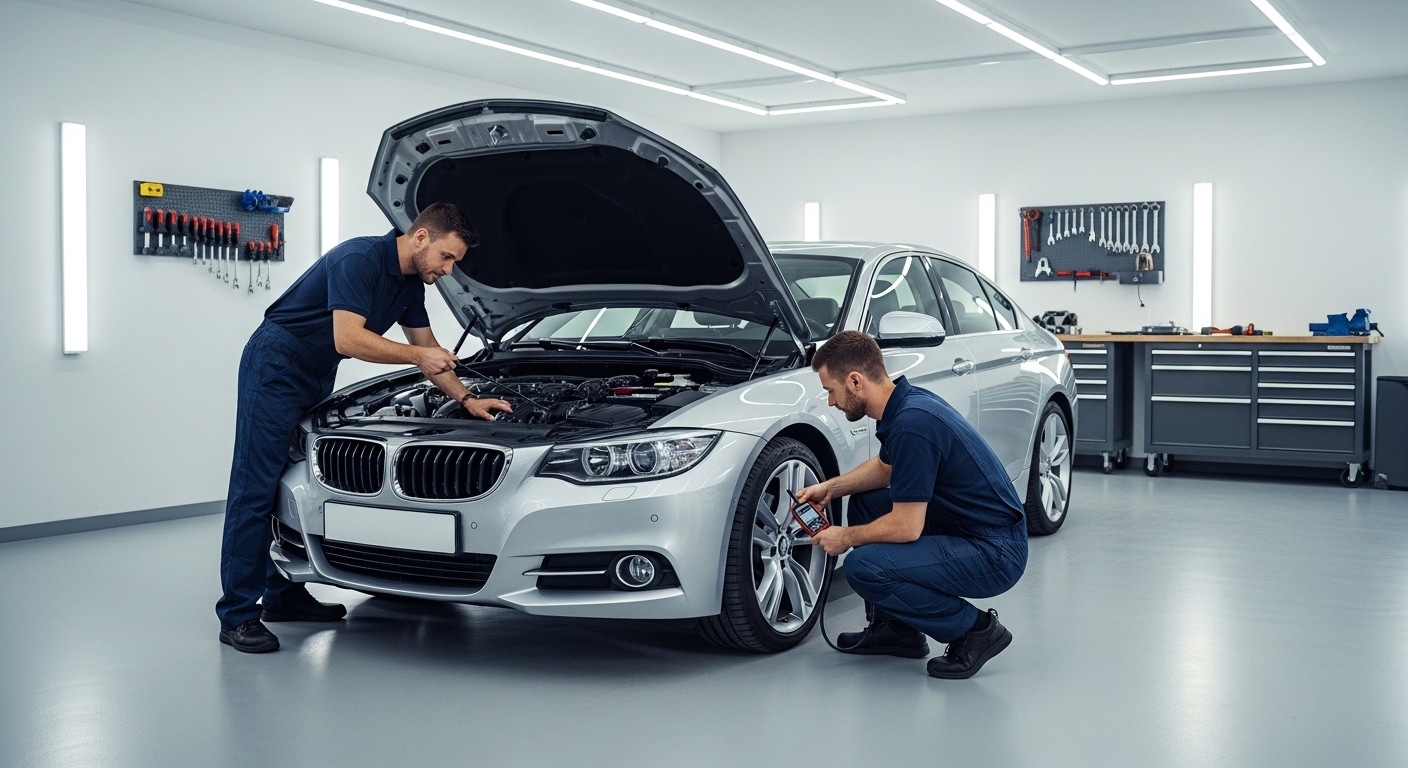
Owning a car is a significant investment, and maintaining it properly ensures it performs efficiently for many years. Learning how to maintain your car for long-term performance not only extends the lifespan of your vehicle but also saves you money on costly repairs. A well-maintained car delivers better fuel efficiency, improved safety, and higher resale value.
Regular maintenance is not complicated. With consistent care, simple checks, and timely servicing, you can keep your vehicle running smoothly for thousands of miles. Whether you drive daily or occasionally, understanding essential car maintenance practices will protect your investment and keep your car reliable.
Why Long-Term Car Maintenance Matters
Proper vehicle care prevents breakdowns and ensures optimal engine performance. Ignoring small issues can lead to major mechanical problems that require expensive repairs. According to the Consumer Reports vehicle maintenance guide, routine maintenance significantly reduces the risk of unexpected car failures.
Additionally, taking care of your car supports financial stability. Many people who focus on maintaining assets like vehicles also explore ways to build passive income through digital opportunities such as affiliate marketing or starting an online business. Saving money on repairs allows you to invest more in long-term financial goals.
1. Follow the Manufacturer’s Maintenance Schedule
The most reliable guide for how to maintain your car for long-term performance is your vehicle’s owner manual. Manufacturers provide detailed schedules for oil changes, filter replacements, brake inspections, and fluid checks.
Typical maintenance intervals include:
- Oil change every 5,000–7,500 miles
- Air filter replacement every 15,000–30,000 miles
- Brake inspection every 10,000 miles
- Tire rotation every 6,000–8,000 miles
Following these recommendations ensures that all components work efficiently and reduces the chances of engine wear.
2. Change Engine Oil Regularly
Engine oil lubricates moving parts and prevents friction that can damage the engine. Over time, oil becomes contaminated with dirt and debris, reducing its effectiveness.
Regular oil changes are one of the simplest ways to ensure long-term car performance. Fresh oil keeps the engine clean and helps maintain fuel efficiency.
For professional advice on oil maintenance, check resources from the AAA automotive maintenance guide.
3. Monitor Tire Condition and Pressure
Tires are the only part of the vehicle that directly touches the road. Maintaining proper tire pressure improves fuel economy, driving safety, and tire lifespan.
Key Tire Maintenance Tips
- Check tire pressure monthly
- Rotate tires regularly
- Inspect tread depth
- Balance and align wheels when necessary
Proper tire maintenance also enhances driving comfort and prevents uneven wear.
4. Replace Air Filters on Time
Your car has two main air filters: the engine air filter and the cabin air filter. Both play an important role in maintaining performance and air quality.
The engine air filter ensures clean air reaches the combustion chamber, improving engine efficiency. A clogged filter restricts airflow, reducing power and increasing fuel consumption.
The cabin air filter keeps dust and pollutants out of the car interior, improving passenger comfort.
5. Maintain the Battery
A weak battery can leave you stranded unexpectedly. Checking battery health is a crucial step in understanding how to maintain your car for long-term performance.
Battery maintenance includes:
- Cleaning corrosion from terminals
- Checking battery voltage
- Replacing batteries every 3–5 years
Cold weather and frequent short trips can shorten battery lifespan, so regular inspection is important.
6. Keep Fluids at Proper Levels
Your car relies on multiple fluids to operate smoothly. Low or contaminated fluids can damage critical systems.
Essential Vehicle Fluids to Check
- Engine oil
- Coolant
- Brake fluid
- Transmission fluid
- Power steering fluid
- Windshield washer fluid
Maintaining proper fluid levels prevents overheating, braking problems, and transmission failure.
7. Inspect Brakes Frequently
Brakes are one of the most important safety components of your vehicle. Worn brake pads reduce stopping power and can damage brake rotors if not replaced on time.
Signs that your brakes need inspection include:
- Squealing or grinding noises
- Vibration when braking
- Reduced braking response
- Warning lights on the dashboard
Regular brake inspections help maintain both safety and vehicle performance.
8. Keep Your Car Clean Inside and Out
Cleaning your car regularly protects the exterior paint and prevents rust formation. Dirt, salt, and debris can damage the vehicle body over time.
Interior cleaning also prevents wear on upholstery and maintains resale value. A clean vehicle reflects responsible ownership and attention to detail.
Interestingly, many car enthusiasts who maintain vehicles carefully also manage digital ventures like affiliate marketing or an online business to generate extra income streams.
9. Drive Responsibly
Your driving habits significantly affect vehicle lifespan. Aggressive driving, sudden braking, and high-speed acceleration increase wear on engine components.
Healthy Driving Habits
- Avoid sudden acceleration
- Maintain steady speeds
- Warm up the engine in cold weather
- Avoid overloading the vehicle
Responsible driving improves fuel economy and reduces mechanical stress.
10. Address Problems Early
Ignoring warning signs often leads to major repairs. Dashboard lights, unusual noises, or changes in performance should never be ignored.
Early diagnosis helps mechanics fix minor issues before they develop into expensive failures.
Just as identifying opportunities early can help entrepreneurs succeed in ventures like a dropshipping business or understanding affiliate vs dropshipping, addressing car issues early ensures long-term reliability.
11. Store Your Car Properly
If you do not use your vehicle frequently, proper storage helps protect it from environmental damage.
Recommended storage practices include:
- Parking in a garage or covered area
- Using a car cover
- Disconnecting the battery for long storage periods
- Starting the engine periodically
Proper storage prevents rust, battery drain, and tire deterioration.
12. Maintain Records of All Maintenance
Keeping detailed maintenance records helps track service history and ensures no important tasks are missed.
Maintenance records also increase resale value because buyers prefer vehicles with documented service history.
You can store records digitally or in a physical logbook.
Final Thoughts
Understanding how to maintain your car for long-term performance is essential for every vehicle owner. Regular servicing, responsible driving, and early problem detection can significantly extend your car’s lifespan.
Taking care of your vehicle not only improves safety and reliability but also protects your financial investment. When you maintain your car properly, you spend less on repairs and can focus resources on other goals such as building passive income streams through affiliate marketing, running an online business, or launching a dropshipping business.
With consistent maintenance and attention to detail, your car can deliver reliable performance for many years to come.
