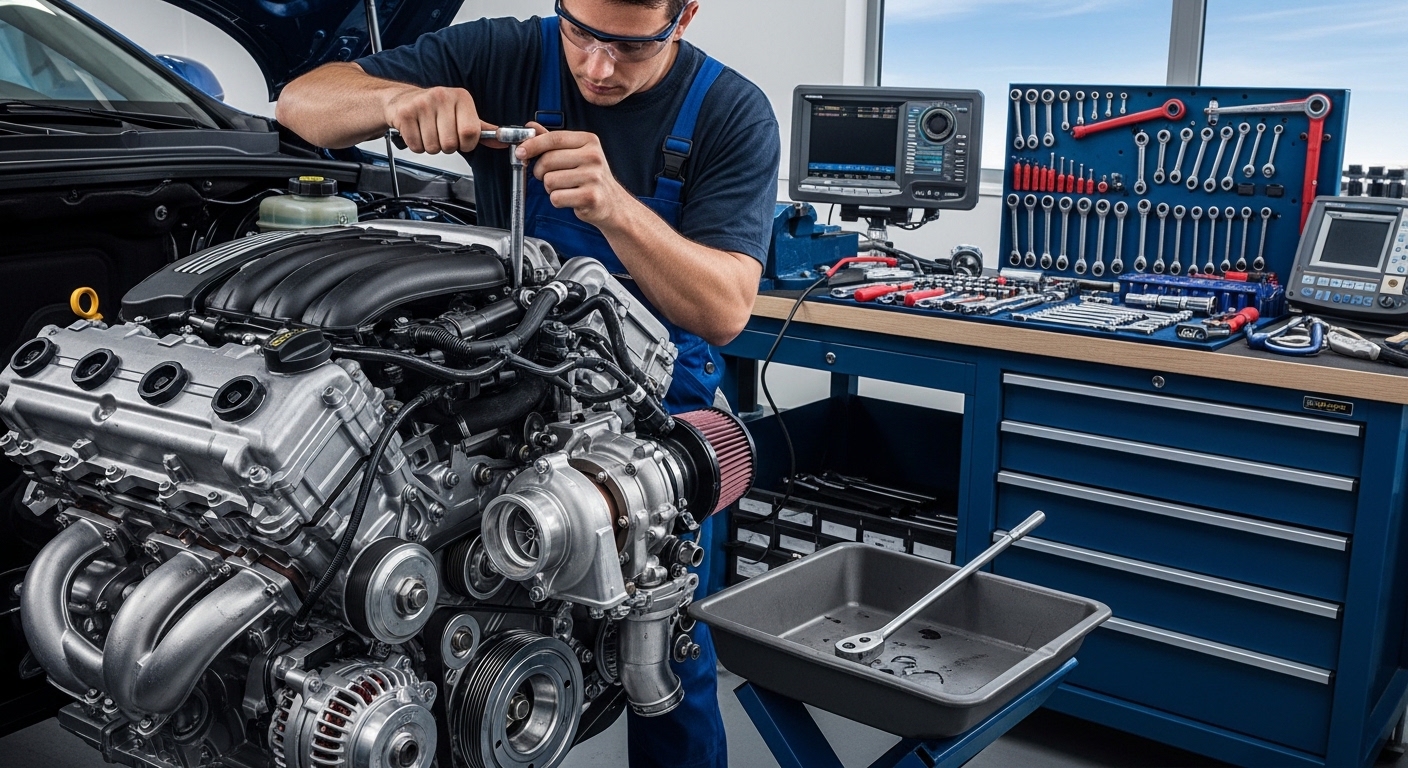
Proper vehicle maintenance is essential if you want your car to perform at its best. Many drivers overlook the importance of regular engine care until problems appear. However, understanding how to maintain your car engine for maximum performance and fuel efficiency can extend the life of your vehicle, reduce fuel consumption, and prevent expensive repairs.
A well-maintained engine runs smoother, burns fuel more efficiently, and produces fewer emissions. Whether you drive daily for work or manage a fleet for your online business, maintaining your car engine properly will save money over time.
In this comprehensive guide, you will learn practical maintenance tips that keep your engine performing efficiently while improving overall fuel economy.
Why Engine Maintenance Matters
Your car’s engine is the heart of the vehicle. It converts fuel into mechanical energy that powers the wheels. When engine components are dirty, worn out, or poorly maintained, performance drops significantly.
Regular engine maintenance offers several benefits:
Improved fuel efficiency: A healthy engine burns fuel more effectively, reducing fuel consumption.
Better performance: The car accelerates smoothly and delivers consistent power.
Longer engine lifespan: Preventive maintenance helps avoid premature engine failure.
Lower repair costs: Fixing minor issues early prevents major breakdowns.
According to the Consumer Reports vehicle maintenance guide, routine maintenance can significantly improve engine efficiency and vehicle longevity.
Follow the Manufacturer’s Maintenance Schedule
The first step in understanding how to maintain your car engine for maximum performance and fuel efficiency is following the maintenance schedule provided in your vehicle’s owner manual.
Manufacturers design service schedules based on engine design and performance requirements.
Typical service intervals include:
- Oil change every 5,000–10,000 miles
- Air filter replacement every 12,000–15,000 miles
- Spark plug replacement every 30,000–100,000 miles
- Coolant replacement every 30,000–50,000 miles
Ignoring these intervals can cause gradual engine wear and reduced efficiency.
Change Engine Oil Regularly
Engine oil plays a vital role in lubrication, cooling, and cleaning internal engine parts. Over time, oil breaks down and accumulates dirt and debris.
Old oil increases friction between engine components, which leads to overheating and reduced fuel efficiency.
Benefits of Regular Oil Changes
Changing your engine oil regularly provides several advantages:
- Reduces engine wear
- Improves fuel efficiency
- Maintains engine cleanliness
- Prevents overheating
Using high-quality synthetic oil can further improve performance and extend service intervals.
Replace the Air Filter
The air filter prevents dirt and debris from entering the engine’s combustion chamber. A clogged air filter restricts airflow, forcing the engine to work harder.
This leads to poor fuel combustion and reduced engine power.
Signs of a Dirty Air Filter
- Reduced fuel economy
- Sluggish acceleration
- Black smoke from exhaust
- Unusual engine sounds
Replacing the air filter is one of the easiest and most affordable ways to maintain engine performance.
Maintain the Fuel System
The fuel system delivers gasoline or diesel to the engine. Over time, fuel injectors and filters can accumulate carbon deposits.
Dirty injectors disrupt the fuel spray pattern, reducing combustion efficiency.
How to Maintain the Fuel System
Several steps can keep your fuel system clean:
- Use high-quality fuel
- Add fuel injector cleaner periodically
- Replace the fuel filter regularly
- Avoid driving with a nearly empty fuel tank
Keeping the fuel system clean improves both engine performance and fuel economy.
Check and Replace Spark Plugs
Spark plugs ignite the fuel-air mixture inside the engine cylinders. Worn spark plugs produce weak sparks, leading to incomplete combustion.
This causes reduced power output and increased fuel consumption.
Symptoms of Failing Spark Plugs
- Engine misfires
- Poor acceleration
- Increased fuel usage
- Difficulty starting the engine
Replacing spark plugs at recommended intervals keeps your engine running efficiently.
Keep the Cooling System in Good Condition
The engine produces a large amount of heat during operation. The cooling system prevents overheating by circulating coolant through the engine.
If the cooling system fails, the engine can overheat and suffer severe damage.
Cooling System Maintenance Tips
- Check coolant levels regularly
- Inspect hoses for leaks or cracks
- Flush coolant periodically
- Ensure the radiator is clean
Maintaining the cooling system helps protect engine components and improves reliability.
Monitor Engine Sensors and Electronics
Modern vehicles rely on sensors and electronic control units to manage engine performance.
These sensors monitor fuel injection, air intake, temperature, and emissions.
If sensors malfunction, the engine may burn more fuel than necessary.
Using an OBD-II scanner can help detect sensor issues early and prevent performance problems.
Use High-Quality Fuel and Engine Fluids
The quality of fuel and fluids you use affects engine health. Cheap or contaminated fuel can cause carbon buildup and injector problems.
Similarly, low-quality engine oil may not provide adequate lubrication.
Always choose reputable fuel stations and manufacturer-recommended fluids.
This practice is especially important for drivers who rely on vehicles for work, delivery services, or managing an online business.
Drive Smart to Protect Your Engine
Driving habits play a major role in engine longevity and efficiency.
Aggressive driving puts unnecessary stress on engine components and increases fuel consumption.
Smart Driving Tips
- Avoid rapid acceleration
- Maintain steady speeds
- Reduce excessive idling
- Shift gears smoothly
Fuel-efficient driving techniques can improve mileage by up to 20% according to the U.S. Department of Energy fuel economy guide.
Keep the Engine Clean
A clean engine operates more efficiently and is easier to inspect for leaks or worn components.
Dust, oil residue, and debris can accumulate under the hood over time.
Periodic engine cleaning helps maintain proper airflow and prevents overheating.
However, always use safe cleaning methods to avoid damaging electrical components.
Check Belts and Hoses
Engine belts and hoses are responsible for powering essential systems such as the alternator, water pump, and power steering.
Cracked belts or leaking hoses can lead to engine overheating and mechanical failures.
Inspection Tips
- Look for cracks or frayed edges
- Check for coolant leaks
- Replace worn belts immediately
Routine inspection ensures these components continue working properly.
Consider Professional Engine Diagnostics
Even if you perform regular maintenance, professional inspections are still valuable.
Mechanics use specialized tools to detect hidden problems that may affect engine performance.
Periodic diagnostic checks help identify:
- Fuel system issues
- Sensor malfunctions
- Emission problems
- Engine timing issues
Early detection can save thousands of dollars in future repair costs.
How Automotive Maintenance Relates to Online Income Topics
Many modern websites combine automotive content with digital business topics to attract diverse audiences.
For example, readers researching vehicle maintenance may also explore guides about starting an online business or building passive income streams.
Bloggers often monetize such content through affiliate marketing, recommending automotive tools, engine oils, and diagnostic devices.
Some websites also compare business models like affiliate vs dropshipping when discussing how to build profitable automotive content platforms.
Entrepreneurs may even launch an automotive accessories dropshipping business selling car care products and maintenance tools.
This combination of automotive expertise and digital entrepreneurship creates powerful opportunities for content creators.
Final Thoughts
Understanding how to maintain your car engine for maximum performance and fuel efficiency is essential for every driver. Regular maintenance protects your investment and keeps your vehicle running reliably.
Simple steps such as changing engine oil, replacing air filters, maintaining the cooling system, and checking spark plugs can dramatically improve engine efficiency.
By combining smart driving habits with consistent maintenance, you can extend your engine’s lifespan, reduce fuel costs, and enjoy a smoother driving experience.
Whether you drive occasionally or rely on your car daily, proper engine care ensures your vehicle performs at its best for years to come.
