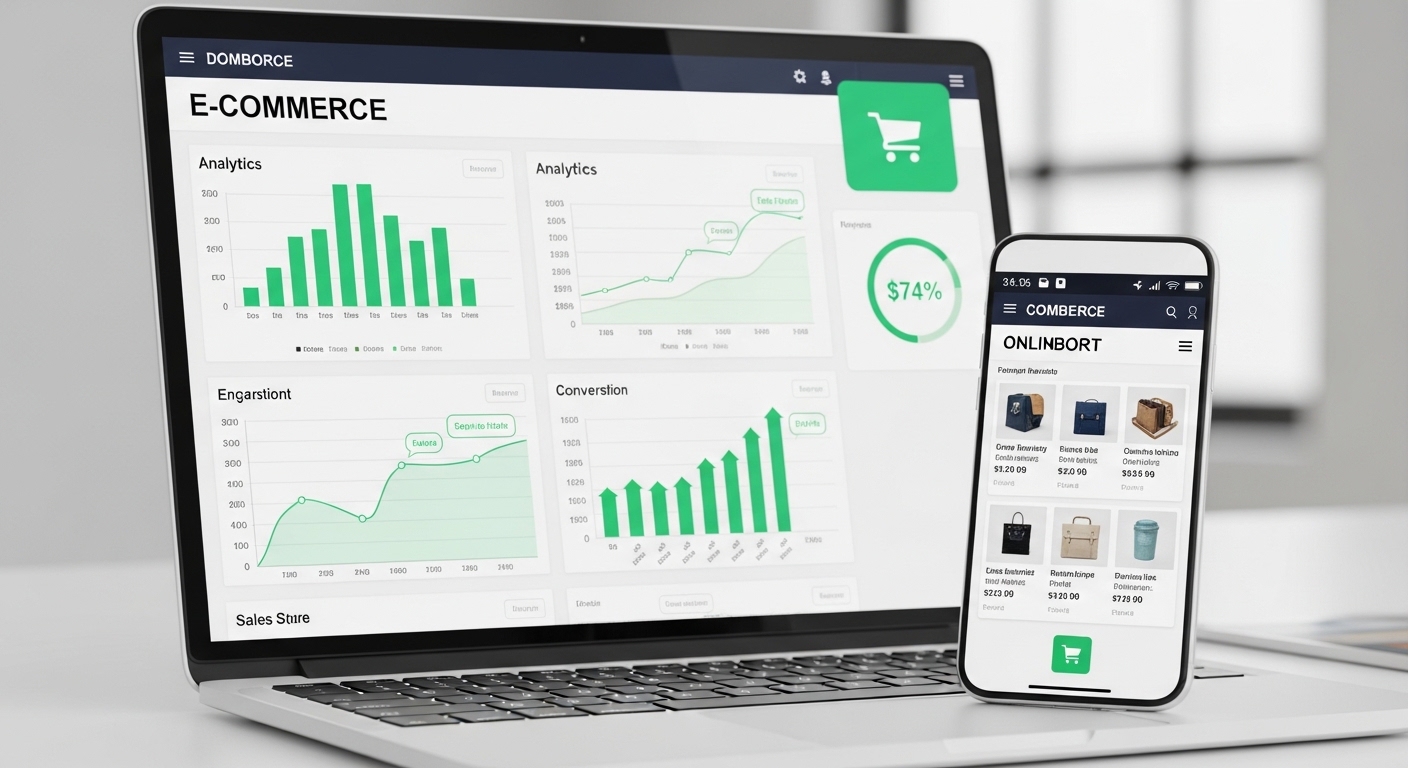
Building a successful online store requires more than simply listing products. If you want consistent sales, you must understand how to create a high-converting e-commerce website that turns visitors into customers. Conversion optimization combines design, psychology, marketing strategy, and user experience.
With global e-commerce expected to surpass trillions in annual sales, entrepreneurs have massive opportunities to build profitable online business models. Whether you run a traditional retail site, a dropshipping business, or combine your store with affiliate marketing, a well-optimized website can dramatically increase your revenue.
This guide explains the essential steps to design, optimize, and scale a store that converts visitors into paying customers.
Why Conversion Optimization Matters in E-commerce
Traffic alone does not generate revenue. If 1,000 people visit your store but only 5 buy, your conversion rate is just 0.5%. However, improving your website experience can raise that number significantly.
Learning how to create a high-converting e-commerce website helps you:
• Increase revenue without spending more on advertising
• Improve customer trust and brand reputation
• Reduce cart abandonment
• Build scalable passive income opportunities
High-performing stores focus on user experience, clear messaging, and streamlined purchasing processes.
Choose the Right E-commerce Platform
The foundation of your store starts with the platform you use. Reliable platforms provide secure payment processing, scalable hosting, and marketing integrations.
Popular E-commerce Platforms
Some of the most trusted platforms include:
• Shopify – Beginner-friendly with powerful integrations
• WooCommerce – Flexible for WordPress users
• BigCommerce – Strong scalability and built-in features
Many entrepreneurs launching a dropshipping business choose Shopify due to its automation tools and supplier integrations.
Create a Clean and Trustworthy Website Design
Design strongly influences purchase decisions. A cluttered or outdated layout reduces credibility and drives visitors away.
A high-converting store should focus on simplicity and clarity.
Key Design Principles
• Use a clean layout with clear navigation
• Maintain consistent branding and color schemes
• Ensure mobile responsiveness
• Use readable fonts and sufficient spacing
Studies show that over half of online shoppers purchase from mobile devices. Therefore, mobile-first design is essential when learning how to create a high-converting e-commerce website.
Write Product Descriptions That Sell
Product descriptions should do more than list features. They should persuade customers and address their needs.
Effective descriptions include:
• Clear benefits and outcomes
• Specific product features
• Social proof or testimonials
• Frequently asked questions
Storytelling also helps customers visualize the value of your product. This emotional connection increases conversions.
Use High-Quality Product Images and Videos
Visual content strongly influences purchasing behavior. Customers cannot physically inspect products online, so images must communicate quality.
Best Practices for Product Images
• Use high-resolution images
• Show multiple angles of the product
• Include lifestyle images demonstrating use
• Add short product videos
According to research from Nielsen, visual content increases customer confidence and improves purchasing decisions.
Optimize Website Speed and Performance
Website speed directly affects conversions. Even a one-second delay can reduce sales.
To optimize performance:
• Compress images
• Use a reliable hosting provider
• Enable browser caching
• Minimize unnecessary plugins
Google also uses site speed as a ranking factor, making performance essential for search engine traffic.
Implement Clear Calls to Action
A strong call to action guides visitors toward purchasing decisions.
Effective CTAs include:
• Add to Cart
• Buy Now
• Start Free Trial
• Limited-Time Offer
Buttons should be visually prominent and placed near product descriptions. This simple strategy plays a major role in how to create a high-converting e-commerce website.
Build Trust with Social Proof
Customers rely heavily on reviews and ratings before purchasing online.
Ways to Build Trust
• Display customer reviews
• Show verified buyer testimonials
• Add trust badges and secure payment icons
• Include return and refund policies
Social proof reassures customers that others have successfully purchased from your store.
Simplify the Checkout Process
Cart abandonment is one of the biggest problems in e-commerce. A complicated checkout process drives customers away.
To reduce abandonment:
• Offer guest checkout options
• Minimize form fields
• Provide multiple payment methods
• Display shipping costs upfront
A seamless checkout experience is critical when mastering how to create a high-converting e-commerce website.
Use Email Marketing for Conversion Recovery
Email marketing remains one of the highest ROI strategies in digital commerce.
Effective campaigns include:
• Abandoned cart reminders
• Promotional discounts
• Product recommendations
• Loyalty programs
Email marketing also supports hybrid revenue models like affiliate marketing or digital product sales.
Integrate Content Marketing and SEO
Organic traffic reduces advertising costs and improves long-term profitability.
Content marketing strategies include:
• Product guides
• Buying comparison articles
• Tutorials and how-to posts
• Industry insights
For example, some entrepreneurs create educational blogs comparing affiliate vs dropshipping models to attract traffic while promoting their products.
Publishing valuable content helps establish authority and drives consistent traffic.
Offer Multiple Revenue Streams
Successful e-commerce stores rarely rely on one revenue source.
Many entrepreneurs combine several strategies, including:
• Physical product sales
• Digital product downloads
• affiliate marketing partnerships
• Subscription services
This diversified strategy can transform your store into a long-term passive income engine.
Use Analytics to Improve Conversions
Data analysis helps identify weaknesses in your store.
Key metrics to monitor include:
• Conversion rate
• Average order value
• Cart abandonment rate
• Customer lifetime value
Tools like Google Analytics help track visitor behavior and improve optimization strategies.
Retarget Visitors with Smart Advertising
Most visitors do not purchase during their first visit. Retargeting helps bring them back.
Retargeting strategies include:
• Facebook retargeting ads
• Google Display remarketing
• Email follow-up campaigns
This strategy significantly increases the effectiveness of paid traffic campaigns.
Optimize for Mobile Shopping
Mobile commerce continues to grow rapidly.
To optimize mobile conversions:
• Use responsive design
• Simplify navigation menus
• Optimize mobile checkout
• Reduce loading times
Mobile optimization plays a major role in how to create a high-converting e-commerce website today.
Continuously Test and Improve Your Store
Conversion optimization is an ongoing process. Successful stores regularly test new ideas and improvements.
Common A/B Tests
• Button colors and placement
• Product page layouts
• Pricing strategies
• Promotional messaging
Testing allows you to discover what resonates most with your audience.
Final Thoughts
Learning how to create a high-converting e-commerce website requires combining strong design, strategic marketing, and continuous optimization. By focusing on user experience, trust signals, and streamlined purchasing processes, you can significantly increase sales.
Whether you run a traditional retail store, a dropshipping business, or integrate affiliate marketing strategies, the principles in this guide will help you build a profitable online business.
With the right approach, your store can evolve into a scalable revenue stream and even generate long-term passive income.
