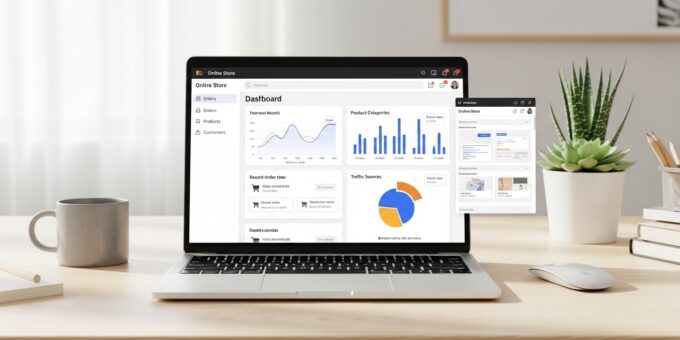
Choosing the right platform is one of the most important decisions you will make when starting or scaling your online business. The platform you select directly impacts your store’s performance, user experience, scalability, and long-term profitability.
Whether you are launching a new store, exploring affiliate marketing, or building a dropshipping business, this guide will help you understand how to choose the best e-commerce platform for your business.
Why Choosing the Right E-commerce Platform Matters
Your e-commerce platform is the foundation of your digital store. It affects everything from website speed to checkout experience and SEO rankings. A poor choice can lead to higher costs, limited scalability, and lost revenue opportunities.
If your goal is to build passive income streams or grow a sustainable brand, selecting the right platform becomes even more critical.
Key Factors to Consider When Choosing an E-commerce Platform
1. Ease of Use
If you are a beginner, you need a platform that is easy to set up and manage. Look for intuitive dashboards, drag-and-drop builders, and minimal coding requirements.
Platforms like Shopify are known for their user-friendly interface, while others like WooCommerce offer more flexibility but require technical knowledge.
2. Pricing and Fees
Budget plays a big role in your decision. Some platforms charge monthly fees, while others take transaction percentages.
Consider:
- Monthly subscription costs
- Transaction fees
- Payment gateway fees
- Costs for plugins or extensions
If you are just starting your online business, keeping costs low can help you reach profitability faster.
3. Customization and Design
Your store design impacts user experience and conversions. Choose a platform that offers customizable themes and templates.
Look for:
- Mobile responsiveness
- Theme flexibility
- Brand customization options
A professional design builds trust and increases sales, especially in competitive niches like affiliate marketing.
4. Scalability
Your platform should grow with your business. If you plan to expand your product range or traffic, choose a scalable solution.
Platforms like BigCommerce are designed for scaling businesses, while smaller platforms may struggle under high traffic.
5. Payment Options
The more payment options you offer, the higher your conversion rate. Make sure your platform supports:
- Credit and debit cards
- Digital wallets
- International payments
Global payment support is essential if you want to grow a dropshipping business or sell internationally.
6. SEO and Marketing Features
To succeed in e-commerce, your store must be visible online. Choose a platform with built-in SEO tools.
Important features include:
- Custom URLs
- Meta tags
- Fast loading speed
- Blog integration
Platforms that support content marketing can help you generate traffic and build passive income.
7. Integrations and Apps
Your e-commerce store will need additional tools for marketing, analytics, and customer service.
Look for platforms that integrate with:
- Email marketing tools
- Social media platforms
- Analytics software
- Inventory management systems
This is especially important if you are comparing affiliate vs dropshipping models and need automation tools.
8. Security and Reliability
Security is critical for any online business. Customers trust you with their personal and payment information.
Ensure your platform offers:
- SSL certificates
- Secure payment gateways
- Regular updates
- Reliable hosting
Top E-commerce Platforms to Consider
Shopify
Shopify is one of the most popular platforms for beginners and professionals alike.
Pros:
- Easy to use
- All-in-one solution
- Great for dropshipping business
Cons:
- Monthly fees
- Limited customization compared to open-source platforms
WooCommerce
WooCommerce is a WordPress plugin that offers flexibility and control.
Pros:
- Highly customizable
- Great for SEO
- Ideal for content-driven affiliate marketing
Cons:
- Requires technical knowledge
- Hosting and maintenance needed
BigCommerce
BigCommerce is designed for growing and enterprise-level businesses.
Pros:
- Scalable
- No transaction fees
- Advanced features
Cons:
- Higher pricing tiers
Wix eCommerce
Wix is ideal for small businesses and beginners.
Pros:
- Drag-and-drop builder
- Affordable plans
Cons:
- Limited scalability
Choosing Based on Your Business Model
Dropshipping Business
If you are starting a dropshipping business, choose a platform that integrates with suppliers like Oberlo or DSers.
Shopify is often the best choice due to its automation and supplier integrations.
Affiliate Marketing
For affiliate marketing, content and SEO are key. WooCommerce combined with WordPress gives you full control over content and optimization.
Hybrid Models
Some entrepreneurs combine affiliate vs dropshipping strategies. In this case, choose a flexible platform that supports both product sales and content creation.
Common Mistakes to Avoid
1. Choosing Based Only on Price
Cheap platforms may lack essential features. Focus on value rather than cost alone.
2. Ignoring Scalability
Switching platforms later can be costly and time-consuming. Choose a platform that grows with your business.
3. Overlooking SEO Features
Without proper SEO, your store may struggle to attract traffic and generate passive income.
4. Not Testing User Experience
Always test your store from a customer’s perspective. A complicated checkout process can reduce conversions.
Tips for Making the Final Decision
Start with a Free Trial
Most platforms offer free trials. Test features, usability, and performance before committing.
Define Your Goals
Are you building a brand, generating passive income, or testing a new online business idea? Your goals will guide your choice.
Consider Long-Term Growth
Think about where your business will be in 1–3 years. Choose a platform that supports that vision.
Read Reviews and Case Studies
Learn from other entrepreneurs. Platforms like Trustpilot provide real user feedback.
Final Thoughts
Choosing the best e-commerce platform for your business is not just a technical decision—it is a strategic one. The right platform can help you scale faster, improve customer experience, and increase profitability.
Whether you are exploring affiliate vs dropshipping, launching a new online business, or building long-term passive income, the platform you choose will play a key role in your success.
Take your time, evaluate your options carefully, and invest in a platform that aligns with your goals.
