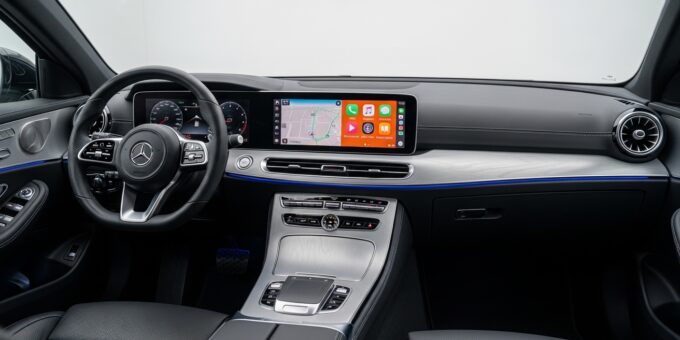
Modern vehicles are no longer just about performance and fuel efficiency—they are increasingly defined by their technology. If your car still has an outdated stereo or a basic GPS unit, it might be time to consider how to upgrade your car’s infotainment and navigation system. A well-executed upgrade can enhance convenience, safety, and even your car’s resale value.
In this guide, you’ll learn everything you need to know about upgrading your system—from choosing the right hardware to installation tips and cost considerations.
Why Upgrade Your Car’s Infotainment System?
Upgrading your infotainment system is more than a luxury—it’s a practical improvement. Older systems often lack smartphone integration, voice control, and real-time navigation updates.
By upgrading, you can enjoy:
- Apple CarPlay and Android Auto compatibility
- Real-time GPS navigation with traffic updates
- Bluetooth connectivity for hands-free calls
- Improved sound quality
- Touchscreen displays with better resolution
For many drivers, this upgrade turns an ordinary commute into a smarter, more enjoyable experience.
Types of Infotainment Systems You Can Install
1. Single DIN vs Double DIN Units
Before upgrading, you need to check your car’s dashboard compatibility:
- Single DIN: Compact units with basic functionality
- Double DIN: Larger screens, ideal for navigation and multimedia
Double DIN units are the most popular choice when considering how to upgrade your car’s infotainment and navigation system because they offer touchscreen displays and advanced features.
2. OEM vs Aftermarket Systems
You can choose between factory (OEM) upgrades or aftermarket systems:
- OEM systems: Seamless integration but often expensive
- Aftermarket systems: More affordable and feature-rich
Popular aftermarket brands include Pioneer, Sony, and Alpine.
Key Features to Look For
When upgrading your infotainment system, prioritize features that improve usability and safety.
Smartphone Integration
Look for Apple CarPlay or Android Auto support. These allow seamless access to apps, messages, and maps.
Navigation Capabilities
Modern systems offer real-time traffic updates, offline maps, and voice-guided directions.
Display Quality
A high-resolution touchscreen improves visibility and user experience.
Audio Enhancement
Many units include built-in equalizers and support for external amplifiers.
Voice Control
Voice commands help you stay focused on the road while controlling music or navigation.
Step-by-Step Guide: How to Upgrade Your Car’s Infotainment and Navigation System
Step 1: Check Compatibility
Start by identifying your car’s make, model, and year. Use tools like Crutchfield to find compatible units.
Step 2: Choose the Right Unit
Select a system based on your budget and required features. If navigation is your priority, choose a model with built-in GPS.
Step 3: Gather Necessary Accessories
You may need additional components such as:
- Dash kits
- Wiring harness adapters
- Antenna adapters
- Steering wheel control interfaces
Step 4: Installation
You can either install the system yourself or hire a professional. DIY installation can save money but requires technical skills.
For beginners, professional installation is recommended to avoid wiring errors or damage.
Step 5: Test the System
After installation, test all features including audio, navigation, Bluetooth, and touchscreen responsiveness.
Cost of Upgrading Your Infotainment System
The cost varies depending on the system and installation method:
- Basic units: £100–£300
- Mid-range systems: £300–£700
- Premium systems: £700–£1500+
- Installation: £50–£200
While the upfront cost may seem high, the long-term benefits often outweigh the investment.
Common Mistakes to Avoid
Ignoring Compatibility
Always verify that the unit fits your dashboard and works with your car’s electronics.
Choosing Cheap Units
Low-cost systems may lack durability and essential features.
Skipping Professional Help
If you’re unsure about wiring, professional installation can prevent costly mistakes.
Benefits Beyond Driving
Interestingly, upgrading your car’s system can also support productivity. For example, better navigation and hands-free communication can save time—an essential factor when managing a online business or exploring passive income opportunities.
Entrepreneurs involved in affiliate marketing or running a dropshipping business often rely on efficient travel and connectivity. Understanding affiliate vs dropshipping strategies can even inspire you to monetize automotive content or tech reviews online.
You can explore more about building digital income streams in our related guide: How to Start an Online Business.
Is It Worth Upgrading?
If your current system lacks modern features, the answer is yes. Upgrading enhances:
- Driving safety
- Convenience
- Entertainment
- Vehicle value
It’s one of the most impactful upgrades you can make without changing the car itself.
Final Thoughts
Understanding how to upgrade your car’s infotainment and navigation system empowers you to transform your driving experience. With the right system, you gain access to cutting-edge technology, improved connectivity, and enhanced comfort.
Whether you’re a daily commuter or a tech enthusiast, this upgrade is a smart investment that pays off every time you get behind the wheel.
