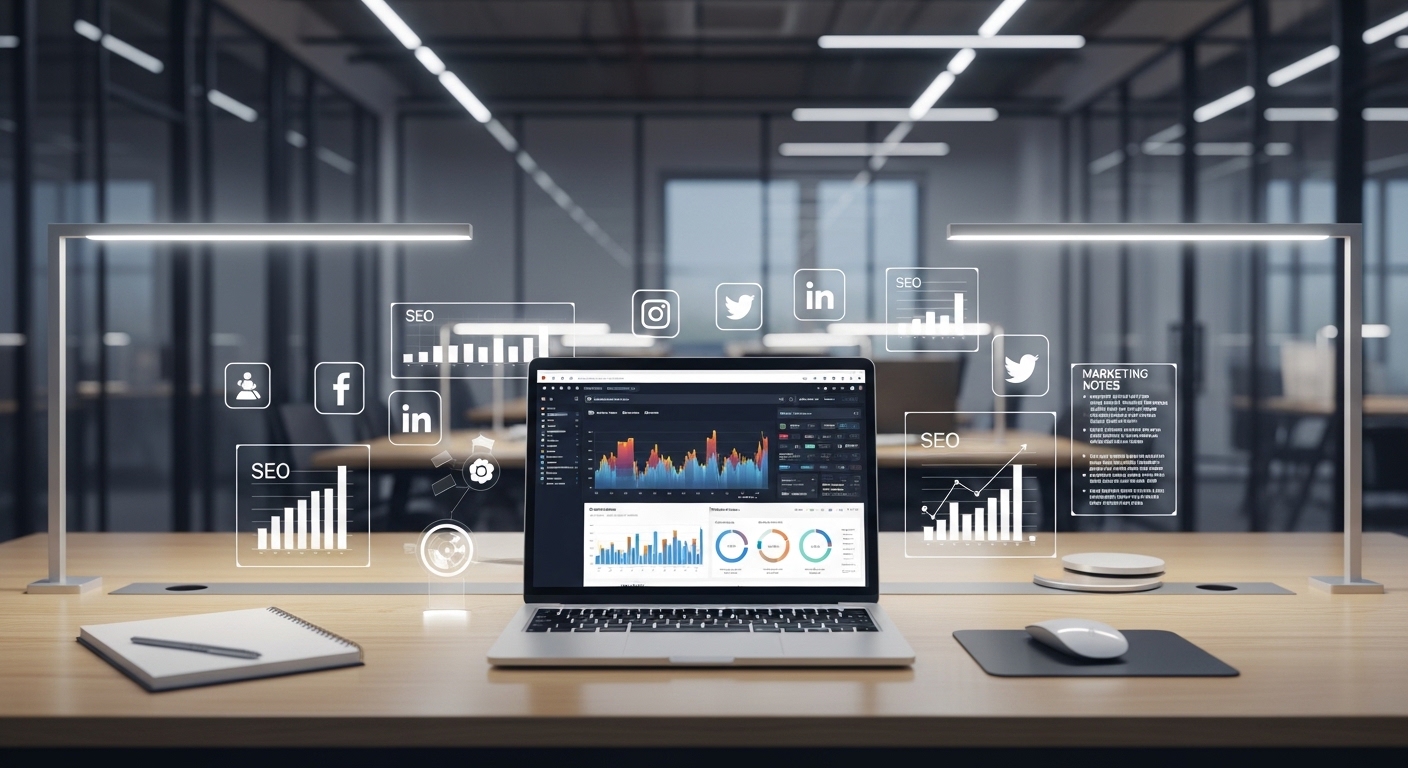
Businesses in 2026 operate in one of the most competitive digital environments ever. Consumers interact with brands across multiple platforms, search engines are more intelligent, and competition for attention is intense. To stay ahead, companies must develop a digital marketing strategy in 2026 that focuses on data, personalization, and long-term value.
A well-designed strategy allows brands to reach the right audience, generate leads, and build sustainable revenue. Whether you are launching an online business, growing an e-commerce brand, or scaling a dropshipping business, the right marketing plan can transform your results.
This guide explains how to create a powerful digital marketing strategy in 2026, including the tools, channels, and techniques that deliver the highest ROI.
Why a Digital Marketing Strategy Matters in 2026
Digital marketing has evolved far beyond simple social media posting or paid ads. Modern strategies integrate search engines, content marketing, automation, and analytics.
Without a clear strategy, businesses often waste money on advertising that fails to convert. A strong plan helps you:
• Reach the right audience
• Improve conversion rates
• Build brand authority
• Generate predictable revenue
• Scale your online business
According to research from Statista, global digital advertising spending continues to grow every year. Businesses that invest in strategic marketing consistently outperform competitors.
Step 1: Define Your Business Goals
The foundation of a successful digital marketing strategy in 2026 is clear business objectives. Your marketing efforts must support measurable goals.
Common Digital Marketing Goals
• Increase website traffic
• Generate qualified leads
• Grow brand awareness
• Increase e-commerce sales
• Build recurring passive income
For example, a company running a dropshipping business may focus on acquiring new customers through search traffic and social media ads. A blogger focused on affiliate marketing may prioritize SEO and content marketing.
Setting measurable goals allows you to track performance and adjust your strategy quickly.
Step 2: Identify Your Target Audience
Understanding your audience is essential for building a powerful digital marketing strategy in 2026. Marketing becomes far more effective when messages are tailored to specific groups.
Key Audience Insights to Collect
• Demographics (age, gender, location)
• Interests and hobbies
• Buying behavior
• Online platforms used
• Problems your product solves
Tools such as Google Analytics and social media insights can provide valuable data about your audience.
For instance, people interested in building an online business might search for topics like affiliate vs dropshipping, digital entrepreneurship, and scalable income streams.
Step 3: Build a Strong SEO Foundation
Search engine optimization remains one of the most powerful elements of a digital marketing strategy in 2026. SEO generates long-term traffic without ongoing advertising costs.
Key SEO Strategies
• Keyword research
• High-quality content creation
• Internal linking structure
• Technical optimization
• Backlink building
Creating content that answers real questions helps search engines rank your website higher. For example, articles about affiliate marketing, passive income, or starting a dropshipping business attract audiences searching for online income opportunities.
SEO also improves credibility. When your site appears at the top of search results, users trust your brand more.
Step 4: Invest in Content Marketing
Content marketing is one of the most effective ways to grow a brand online. It supports SEO, builds authority, and attracts customers without aggressive sales tactics.
A strong digital marketing strategy in 2026 includes multiple content formats:
Popular Content Types
• Blog articles
• Educational guides
• Case studies
• Video tutorials
• Podcasts
• Infographics
High-quality content builds trust and encourages visitors to return. Businesses teaching topics like affiliate marketing, affiliate vs dropshipping, or building a profitable online business often attract loyal audiences.
Consistent content publishing also signals authority to search engines.
Step 5: Use Social Media Strategically
Social media platforms remain powerful marketing tools when used strategically. However, successful businesses focus on platforms where their audience is most active.
For example:
• LinkedIn works well for B2B marketing.
• Instagram and TikTok excel for visual brands.
• YouTube is ideal for long-form educational content.
A strong digital marketing strategy in 2026 integrates social media with content marketing. Businesses often promote blog posts, guides, and videos to increase visibility.
Social media can also support revenue streams such as affiliate marketing and digital product sales.
Step 6: Build Email Marketing Funnels
Email marketing remains one of the highest ROI marketing channels. Unlike social media platforms, email lists are owned assets that businesses control.
A powerful digital marketing strategy in 2026 includes automated email funnels that nurture leads and convert them into customers.
Typical Email Funnel Structure
1. Lead magnet offer
2. Welcome email sequence
3. Educational content emails
4. Product recommendations
5. Promotional campaigns
Email marketing works particularly well for businesses focused on passive income, digital courses, and affiliate marketing products.
Over time, your email list becomes one of your most valuable business assets.
Step 7: Leverage Paid Advertising
Organic marketing strategies take time to grow. Paid advertising accelerates results and helps businesses scale quickly.
Popular advertising platforms include:
• Google Ads
• Facebook Ads
• Instagram Ads
• YouTube Ads
• LinkedIn Ads
Paid ads are especially useful for new businesses launching an online business or testing a new dropshipping business.
However, successful advertising requires data tracking and constant optimization.
Step 8: Use Marketing Automation
Automation tools help businesses save time while improving marketing efficiency.
Modern automation platforms allow companies to:
• Schedule social media posts
• Automate email campaigns
• Segment customer audiences
• Track marketing performance
Marketing automation is essential for scaling a digital marketing strategy in 2026. It allows small teams to manage large campaigns efficiently.
Step 9: Track Analytics and Optimize Performance
No marketing strategy is complete without data analysis. Businesses must track performance metrics and continuously improve campaigns.
Important Metrics to Monitor
• Website traffic
• Conversion rates
• Cost per acquisition
• Customer lifetime value
• Email open rates
Analytics tools like Google Analytics and marketing dashboards provide insights into which campaigns generate the most revenue.
For example, you may discover that articles about affiliate vs dropshipping generate more traffic than other topics. This insight allows you to produce similar content.
Step 10: Focus on Long-Term Brand Authority
One of the most important elements of a successful digital marketing strategy in 2026 is long-term brand authority.
Companies that focus on trust and value outperform those that rely on aggressive advertising.
Building authority requires:
• Consistent content publishing
• Thought leadership articles
• Industry partnerships
• Transparent communication
Brands that educate audiences about topics such as online business, affiliate marketing, and scalable passive income opportunities often build strong communities.
Common Digital Marketing Mistakes to Avoid
Even experienced marketers make mistakes that limit their results. Avoid these common problems:
• Ignoring SEO
• Publishing low-quality content
• Focusing on too many platforms
• Not tracking analytics
• Lack of clear goals
Successful businesses refine their digital marketing strategy in 2026 regularly based on performance data.
The Future of Digital Marketing
Digital marketing will continue evolving rapidly. Artificial intelligence, predictive analytics, and personalized marketing experiences will shape the future.
Businesses that adapt quickly will gain a major competitive advantage.
Entrepreneurs launching new projects, including dropshipping business stores or affiliate marketing platforms, must stay updated with emerging trends.
Innovation and experimentation will define the most successful brands in the coming years.
Conclusion
Creating a powerful digital marketing strategy in 2026 requires a combination of planning, creativity, and data analysis.
Businesses that focus on SEO, content marketing, social media, email funnels, and analytics can build sustainable growth.
Whether your goal is scaling an online business, building passive income, or launching a profitable dropshipping business, the right marketing strategy will determine your success.
Start by defining clear goals, understanding your audience, and investing in high-quality content. Over time, your marketing system will become a powerful engine that drives traffic, leads, and revenue.
