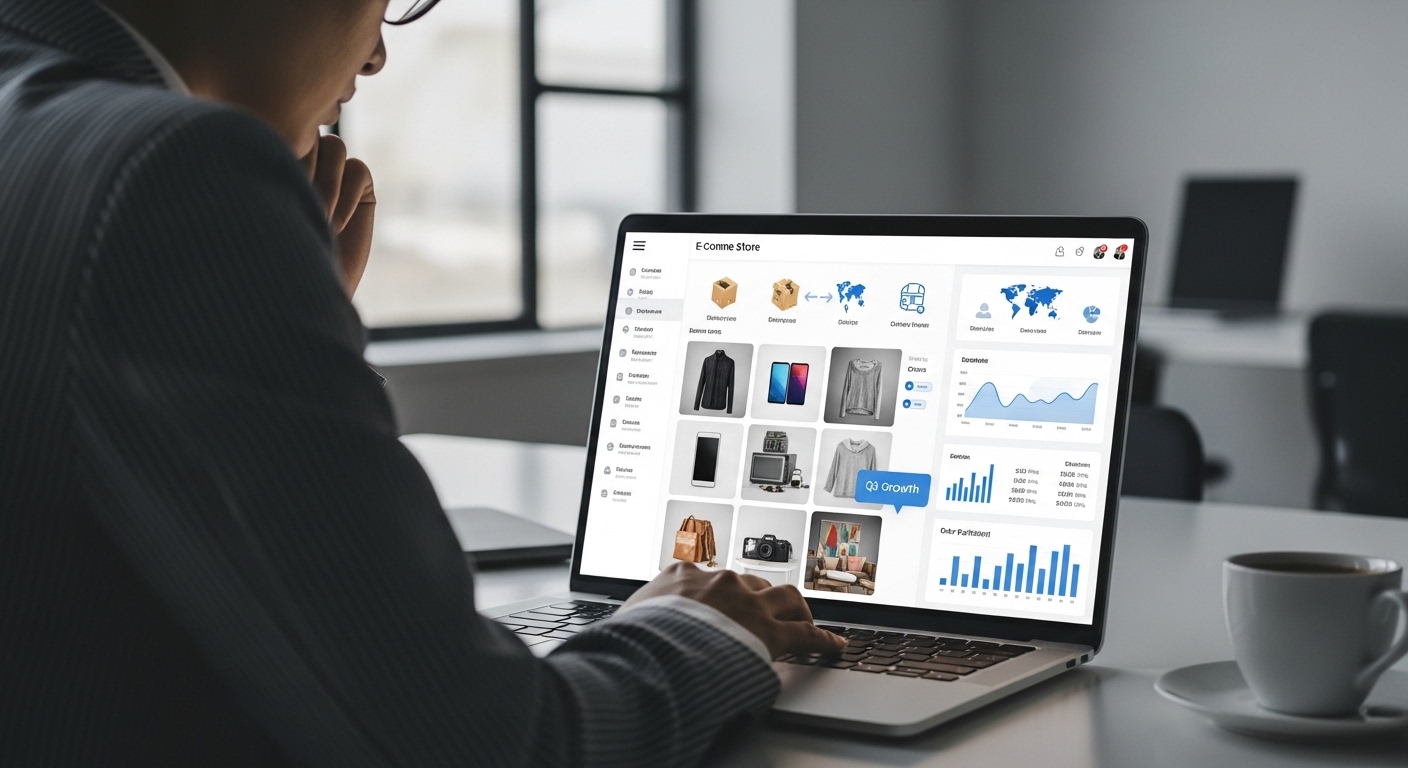
The digital economy has created countless opportunities for entrepreneurs to build profitable ventures without large upfront costs. One of the most accessible models is the dropshipping business. With minimal inventory requirements and relatively low startup expenses, dropshipping allows anyone to create a scalable online business from anywhere in the world.
If you want to generate passive income and start a flexible online venture, learning how to launch a dropshipping business with low investment is an excellent first step. This guide explains how the model works, how to choose the right niche, and how to build a profitable store even if you are starting with limited capital.
What Is a Dropshipping Business?
A dropshipping business is an e-commerce model where you sell products without holding inventory. Instead of purchasing products in advance, you list items on your online store and only buy them from a supplier after a customer places an order.
The supplier then ships the product directly to the customer. This process eliminates the need for warehouses, packaging, or logistics management.
Many entrepreneurs prefer this model because it reduces financial risk and simplifies the process of starting an online business.
Key Benefits of Dropshipping
The dropshipping model offers several advantages:
Low startup costs – No need to purchase inventory upfront.
Location independence – You can run your store from anywhere.
Large product variety – Sell many products without storing them.
Scalability – Suppliers handle fulfillment as orders increase.
These benefits make dropshipping one of the easiest ways to start generating passive income online.
Dropshipping vs Affiliate Marketing
Many beginners compare affiliate vs dropshipping before choosing their business model. Both allow people to earn money online without creating their own products.
Affiliate Marketing
In affiliate marketing, you promote products and earn a commission when someone purchases through your referral link. You do not handle sales or customer service.
Dropshipping
With a dropshipping business, you own the store and control pricing, branding, and customer experience. However, you are also responsible for marketing and customer support.
While both options can create passive income, dropshipping often offers higher profit potential because you control the entire sales funnel.
Step 1: Choose a Profitable Niche
The foundation of every successful online business is selecting the right niche. A niche focuses your store on a specific audience and product category.
Popular dropshipping niches include:
Home improvement products
Fitness equipment
Pet accessories
Smart gadgets
Beauty and skincare items
To identify profitable niches, explore trending products on platforms such as
Google Trends and marketplaces like
AliExpress.
Choose products with consistent demand and moderate competition.
Step 2: Find Reliable Suppliers
Your supplier plays a critical role in your dropshipping business. Reliable suppliers ensure timely shipping, consistent quality, and satisfied customers.
Popular dropshipping supplier platforms include:
When evaluating suppliers, consider:
Product quality
Shipping times
Customer reviews
Return policies
Choosing trustworthy partners reduces customer complaints and improves your brand reputation.
Step 3: Build Your Online Store
Once you select a niche and suppliers, the next step is creating your online business storefront.
Most beginners use e-commerce platforms that simplify store creation.
Best Platforms for Dropshipping
Shopify – Beginner-friendly and widely used for dropshipping.
WooCommerce – Ideal for WordPress users.
BigCommerce – Powerful platform with built-in features.
You can explore Shopify here:
Start your store on Shopify.
When designing your store, focus on:
Fast loading speed
Clear product descriptions
Professional product images
Simple checkout process
A professional store increases trust and conversion rates.
Step 4: Set Competitive Pricing
Pricing strategy determines the profitability of your dropshipping business. Most dropshipping stores use markup pricing.
For example:
If a supplier sells a product for $10, you may sell it for $20–$30 depending on demand and competition.
When setting prices, consider:
Product cost
Advertising expenses
Competitor pricing
Shipping fees
Balancing affordability with profitability is essential for long-term success.
Step 5: Drive Traffic to Your Store
Even the best products cannot sell without traffic. Marketing is the most important growth factor for your online business.
1. Social Media Marketing
Platforms like Instagram, TikTok, and Facebook are powerful tools for promoting your store.
Create engaging product videos and lifestyle content to attract potential customers.
2. Search Engine Optimization
SEO helps your website appear in Google search results.
Use relevant keywords such as dropshipping business and online business in your product pages and blog content.
3. Paid Advertising
Paid ads can quickly generate traffic and sales.
Popular advertising platforms include:
Facebook Ads
Google Ads
TikTok Ads
Start with a small advertising budget and scale once you identify winning products.
Step 6: Optimize for Passive Income
Many entrepreneurs build a dropshipping business to generate passive income. While dropshipping is not completely passive, automation tools can significantly reduce daily workload.
Automation Tools
Tools that help automate your store include:
Order fulfillment software
Email marketing automation
Customer support chatbots
Automation allows you to focus on marketing and scaling your online business.
Common Mistakes to Avoid
Many beginners struggle because they overlook key aspects of the dropshipping model.
1. Choosing Saturated Products
Highly saturated products face intense competition. Instead, focus on niche products with growing demand.
2. Ignoring Branding
A generic store often struggles to build trust. Develop a strong brand identity and consistent messaging.
3. Poor Customer Service
Even though suppliers handle shipping, you must manage customer communication and resolve issues quickly.
Scaling Your Dropshipping Business
Once your store generates consistent sales, scaling becomes the next objective.
Expand Product Lines
Add complementary products to increase average order value.
Build a Brand
Private labeling or custom packaging can transform a simple dropshipping business into a recognizable brand.
Use Email Marketing
Email campaigns help retain customers and drive repeat purchases.
Combining these strategies can transform a small store into a profitable online business.
Is Dropshipping Still Profitable?
Yes, dropshipping remains profitable when executed correctly. However, success depends on strategic product selection, effective marketing, and strong branding.
Entrepreneurs who treat their store like a real business rather than a quick money scheme often achieve long-term results.
Compared to affiliate marketing, dropshipping provides more control over pricing and branding. This flexibility makes the affiliate vs dropshipping debate depend largely on personal preference and business goals.
Final Thoughts
Launching a dropshipping business with low investment is one of the most accessible ways to enter the world of e-commerce. By choosing the right niche, partnering with reliable suppliers, and implementing effective marketing strategies, anyone can build a profitable online business.
While success does not happen overnight, consistent effort and smart decision-making can transform a small store into a scalable income stream.
For aspiring entrepreneurs seeking flexibility and the potential for passive income, dropshipping offers a powerful opportunity in today’s digital economy.
