Buying a used car can save you thousands of dollars compared to purchasing a new vehicle. However, the used car market also attracts scammers and dishonest sellers who try to take advantage of inexperienced buyers. If you do not know what to look for, you could end up paying for a vehicle with hidden mechanical issues, a tampered odometer, or even a stolen car.
This guide explains how to buy a used car without getting scammed. You will learn how to research vehicles, inspect cars properly, avoid common scams, and negotiate a fair deal. These strategies will help you protect your money and make a smart purchase.
Why Used Car Scams Are Common
The used car industry is massive and largely unregulated in many regions. Millions of vehicles are sold privately every year through online marketplaces, classified ads, and social media platforms.
Because of this open market, scammers take advantage of buyers who rush into deals without verifying the vehicle’s history. They may hide accident damage, roll back the odometer, falsify ownership documents, or disappear after receiving payment.
Learning how to buy a used car without getting scammed begins with understanding how these scams happen.
Research the Market Before You Start
Before contacting any seller, spend time researching the vehicle you want. This helps you identify unrealistic deals and suspicious listings.
Check Average Prices
Use trusted websites such as Kelley Blue Book or Autotrader to find the typical price range for your desired model. Prices vary based on mileage, year, condition, and location.
If a seller lists a car significantly below market value, it could indicate hidden problems or a potential scam.
Research Common Issues
Every car model has known mechanical problems. Search for reliability reports and owner reviews before making a decision. Knowing common faults allows you to ask the right questions during inspection.
Reliable information can be found at Consumer Reports.
Verify the Seller’s Identity
One of the most overlooked steps in how to buy a used car without getting scammed is verifying the person selling the vehicle.
Check Ownership Documents
Always ask to see the vehicle title or registration documents. The name on the documents should match the seller’s identification.
If the seller refuses to show proof of ownership, walk away immediately.
Avoid Suspicious Payment Requests
Scammers often request unusual payment methods such as gift cards, cryptocurrency, or wire transfers. Legitimate sellers usually accept bank transfers or verified payments.
Inspect the Car Carefully
A proper inspection can reveal issues the seller may not disclose.
Check the Exterior
Look for mismatched paint, rust, dents, or uneven panel gaps. These may indicate previous accidents or poor repairs.
Inspect the Interior
Check the condition of the seats, dashboard, and electronics. Excessive wear compared to the mileage could signal odometer tampering.
Look Under the Hood
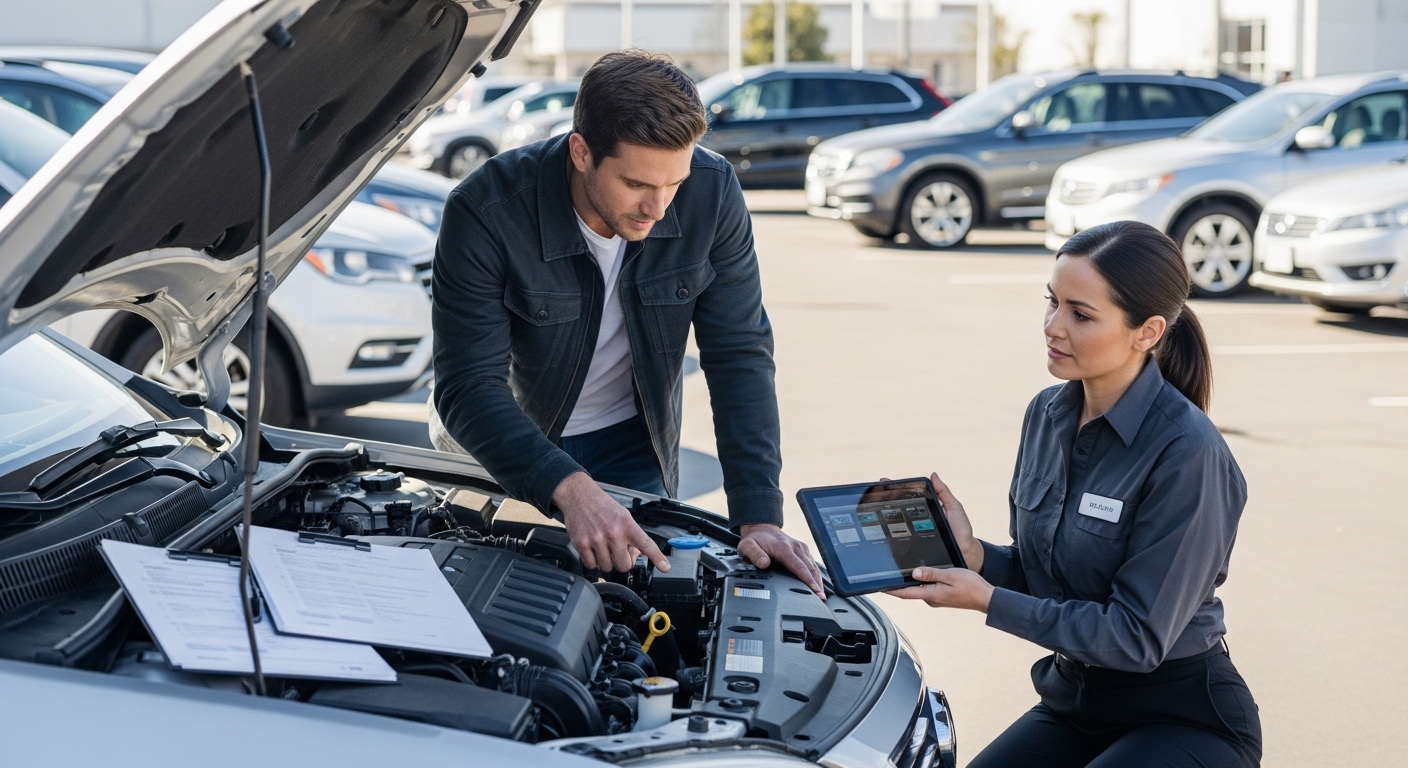
Examine fluid levels, belts, and engine components. Oil leaks, corrosion, or unusual smells may indicate mechanical problems.
If you are not confident inspecting vehicles, consider hiring a professional mechanic for a pre-purchase inspection.
Always Check the Vehicle History Report
Another essential step in how to buy a used car without getting scammed is reviewing the vehicle history report.
Services such as Carfax and AutoCheck provide detailed records including:
- Previous accidents
- Ownership history
- Odometer readings
- Service records
- Salvage titles
If the report shows serious damage or inconsistent mileage records, reconsider the purchase.
Take a Thorough Test Drive
A test drive reveals how the vehicle performs under real conditions.
Drive in Different Conditions
Test the car on highways, city roads, and rough surfaces. Listen for unusual noises from the engine, suspension, or brakes.
Check Steering and Braking
The vehicle should accelerate smoothly, steer straight, and brake without vibration.
If something feels unusual, ask a mechanic to evaluate the vehicle before buying.
Beware of Common Used Car Scams
Understanding common fraud tactics helps you avoid them.
Odometer Rollback
Some sellers illegally reduce the mileage displayed on the odometer. Compare the mileage with service records and inspection reports.
Curbstoning
Curbstoners are unlicensed dealers posing as private sellers. They often sell vehicles with hidden defects.
Fake Escrow Services
Online scammers sometimes suggest fake escrow services to hold payment. Always verify the legitimacy of the company before sending money.
Get a Pre-Purchase Inspection
A professional inspection is one of the safest ways to avoid costly mistakes.
A qualified mechanic can identify hidden issues such as engine damage, transmission problems, or structural repairs. Spending a small inspection fee can save thousands in future repairs.
Negotiate the Price Smartly
Negotiation is a normal part of the buying process.
Use your research, inspection findings, and vehicle history report to justify a fair price.
For example, if the car needs new tires or brake pads, you can request a lower price to compensate for future repairs.
Learning negotiation skills is valuable not only in car buying but also in entrepreneurship. Many people apply similar strategies when building an online business or running a dropshipping business.
Understand the Paperwork
Before finalizing the purchase, review all documents carefully.
Bill of Sale
The bill of sale should include:
- Seller and buyer information
- Vehicle identification number (VIN)
- Purchase price
- Date of sale
Title Transfer
Ensure the title transfer process is completed according to local regulations. Without proper transfer, you may not legally own the vehicle.
Compare Buying Options
You can buy used cars from several sources:
- Private sellers
- Dealerships
- Certified pre-owned programs
- Online marketplaces
Dealerships usually cost more but provide warranties and inspections. Private sellers may offer better prices but require extra caution.
Build Financial Awareness
Making smart purchases helps improve your long-term financial stability.
Saving money on a vehicle allows you to invest in other opportunities such as building passive income streams.
Many entrepreneurs combine investments with digital ventures like affiliate marketing. Understanding business models such as affiliate vs dropshipping can help you build profitable online ventures alongside your regular income.
If you are interested in building digital income streams, you can explore our guide on starting an online business for beginners.
Red Flags That Should Make You Walk Away
Trust your instincts. If something feels wrong, do not proceed with the purchase.
Major warning signs include:
- The seller refuses a vehicle inspection
- Ownership documents do not match the seller
- The price is unrealistically low
- The seller pressures you to make a quick decision
- The vehicle history report shows serious damage
There are always other cars available. Walking away from a suspicious deal is often the smartest choice.
Final Thoughts
Learning how to buy a used car without getting scammed requires patience, research, and careful inspection. By verifying the seller, reviewing vehicle history, performing a proper inspection, and negotiating wisely, you can significantly reduce the risk of fraud.
A used car purchase should never be rushed. Take time to compare options, ask questions, and confirm all documents before paying.
Following the strategies in this guide will help you buy confidently and avoid costly mistakes.
