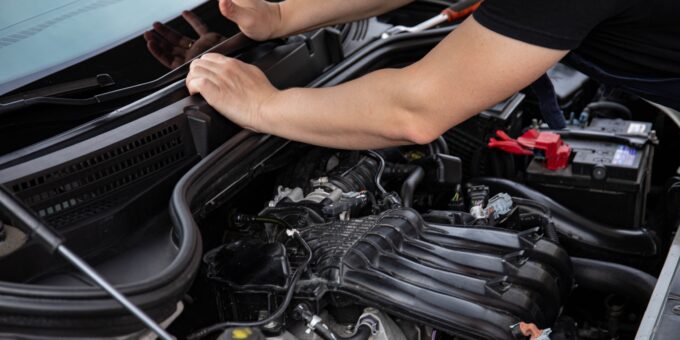
Car trouble can be stressful, especially when you do not know whether the problem is minor or expensive. Fortunately, you can identify many warning signs before taking your vehicle to a repair shop. Learning how to diagnose common car problems before visiting a mechanic can help you explain symptoms clearly, avoid unnecessary repairs, and make better decisions about maintenance costs.
You do not need to be an automotive expert. A few simple observations can reveal valuable clues. Pay attention to warning lights, unusual sounds, fluid leaks, smells, vibrations, and changes in performance. However, never attempt repairs that could put you at risk. Problems involving brakes, steering, fuel, high-voltage hybrid systems, or severe overheating should be handled by a qualified professional.
Why Diagnose Car Problems Before Visiting a Mechanic?
Basic troubleshooting gives you a better understanding of your vehicle. It can also make your conversation with a mechanic more productive. Instead of saying, “My car feels strange,” you can describe exactly when the problem occurs and what you noticed.
For example, you might explain that the engine hesitates during acceleration, the steering wheel vibrates above 60 mph, or a clicking sound appears when turning. These details can shorten diagnostic time and may reduce labor costs.
Knowing basic car troubleshooting also makes it easier to recognize urgent problems. Some symptoms can wait for a scheduled appointment. Others mean you should stop driving immediately.
1. Start With the Dashboard Warning Lights
Your dashboard is one of the best places to begin when learning how to diagnose common car problems before visiting a mechanic. Modern vehicles continuously monitor important systems and display warnings when something goes wrong.
Check Engine Light
A steady check engine light can indicate several issues. These range from a loose fuel cap to problems with oxygen sensors, emissions components, ignition systems, or engine management.
If the check engine light is flashing, the problem may be more serious. Avoid driving unnecessarily because continued operation could damage the catalytic converter or engine.
An inexpensive OBD-II scanner can retrieve diagnostic trouble codes from many vehicles. However, remember that a code identifies the system detecting the fault. It does not always identify the exact part that must be replaced.
Oil Pressure Warning
An illuminated oil pressure warning deserves immediate attention. Low oil pressure can cause severe engine damage.
Safely stop the vehicle, switch off the engine, and check the oil level according to your owner’s manual. If the oil level is normal but the warning remains on, professional inspection is recommended before continuing to drive.
Temperature Warning
A high-temperature warning usually means the engine is overheating. Turn off unnecessary accessories and safely stop the vehicle as soon as possible.
Never remove a hot radiator or coolant-system cap. Pressurized coolant can cause serious burns. Allow the vehicle to cool and arrange professional assistance if necessary.
2. Diagnose Problems by Listening to Unusual Sounds
Different noises can provide valuable clues about common car problems. Note when the sound occurs and whether it changes with vehicle speed, engine speed, braking, or steering.
Squealing When Braking
A high-pitched squeal during braking may indicate worn brake pads. Some pads include wear indicators that deliberately create noise when replacement is approaching.
Grinding is more concerning. It can indicate severely worn brake components. Because brakes are critical safety equipment, arrange an inspection quickly if you hear persistent grinding.
Clicking When Turning
A repetitive clicking sound during tight turns may indicate a worn CV joint, especially on front-wheel-drive vehicles.
Look behind the wheel for a damaged CV boot or grease splattered around the suspension area. A torn boot can allow dirt into the joint and cause premature wear.
Knocking From the Engine
Engine knocking can have several causes, including incorrect fuel combustion, worn internal components, low oil pressure, or ignition problems.
A persistent metallic knocking sound should not be ignored. Professional diagnosis is usually the safest choice because continued driving could increase engine damage.
3. Check Under the Car for Fluid Leaks
Fluid leaks are among the easiest vehicle problems to diagnose visually. Park on a clean, dry surface and inspect the ground after the vehicle has been sitting for several hours.
Engine Oil
Engine oil is commonly brown, amber, or black depending on its age. Small leaks can come from seals, gaskets, the oil filter, or drain plug.
Check the dipstick regularly. Driving with insufficient oil can cause expensive engine damage.
Coolant
Coolant can appear in several colors, including green, orange, pink, blue, or yellow. A sweet smell may also accompany a coolant leak.
Low coolant can lead to overheating. Inspect coolant levels only when the engine is cool and follow the manufacturer’s instructions.
Transmission Fluid
Automatic transmission fluid is often red or reddish-brown, although fluid types differ between vehicles. A transmission leak may also be accompanied by delayed gear engagement, slipping, or unusual shifting.
Because transmission repairs can be expensive, early diagnosis may prevent a relatively small leak from becoming a major problem.
4. Investigate Starting Problems
If your vehicle will not start, pay attention to what happens when you turn the key or press the start button.
Rapid Clicking
Rapid clicking with no engine start often points toward a weak or discharged battery. Dim headlights and slow electrical accessories may provide additional clues.
Battery terminals should also be inspected for loose connections or corrosion.
Single Click but No Start
A strong single click may indicate a starter motor or starter-solenoid problem. However, battery and electrical connection issues can produce similar symptoms.
Engine Cranks but Does Not Start
If the engine turns over normally but refuses to start, possible causes include fuel delivery, ignition, sensor, or engine-management problems. An OBD-II scan may provide useful diagnostic information.
5. Pay Attention to Vibrations
Vehicle vibrations should not be dismissed as normal aging. The timing and location of the vibration can help identify its source.
If the steering wheel vibrates primarily at highway speeds, wheel imbalance may be responsible. Vibration during braking can indicate brake rotor or related braking-system problems. Meanwhile, vibration during acceleration may involve tires, wheels, drivetrain components, engine mounts, or CV joints.
Inspect tires for uneven wear, visible damage, low pressure, or bulges. Do not continue driving on a tire with structural damage.
6. Diagnose Poor Engine Performance
A vehicle that suddenly loses power, accelerates poorly, or consumes more fuel than usual may have an engine-management or maintenance issue.
Rough Idle
A rough idle can result from worn spark plugs, ignition problems, vacuum leaks, fuel-delivery issues, dirty components, or faulty sensors.
Record whether the problem occurs when the engine is cold, hot, or both. This information can help a technician narrow down the cause.
Poor Acceleration
Slow acceleration can result from clogged air or fuel systems, ignition faults, transmission problems, turbocharger issues, or electronic control problems.
Do not automatically replace parts based on one symptom. Proper car diagnostics should identify the cause before money is spent on repairs.
7. Examine Your Tires Before Blaming the Suspension
Many steering and handling complaints actually start with tires. Check all four tires before assuming the vehicle has an expensive suspension problem.
Look for incorrect tire pressure, uneven tread wear, cuts, bulges, embedded objects, and significant differences between tires.
Wear concentrated on one edge can indicate an alignment or suspension issue. Wear in the center or shoulders may relate to incorrect inflation, although several factors can influence tire wear.
For additional vehicle safety information, drivers can consult resources from the National Highway Traffic Safety Administration.
8. Identify Strange Smells Quickly
Your sense of smell can provide another useful warning.
A burning rubber smell may indicate a slipping belt or another component contacting a hot surface. A burning oil smell can suggest oil leaking onto hot engine parts. A sweet smell may indicate coolant. Meanwhile, a strong fuel odor can signal a potentially dangerous fuel-system problem.
If you smell gasoline strongly or suspect a fuel leak, stop the vehicle in a safe location. Avoid flames or sparks and arrange professional assistance.
9. Check Simple Maintenance Items
Some apparent mechanical problems are caused by overdue maintenance. Before assuming the worst, check service items listed in your owner’s manual.
These may include engine oil, air filters, spark plugs, batteries, coolant, transmission service, tire pressure, and other manufacturer-specified items.
Keeping accurate maintenance records can also help a mechanic identify patterns. This is especially useful when diagnosing intermittent problems.
You can also review general vehicle ownership and maintenance information from organizations such as AAA.
10. Avoid Diagnosing Your Car From One Internet Search
Online research is useful, but symptoms often overlap. A rough idle does not automatically mean bad spark plugs, and a warning code does not necessarily mean the named sensor needs replacement.
Focus your research on automotive resources rather than unrelated topics such as affiliate marketing, affiliate vs dropshipping, building an online business, creating passive income, or launching a dropshipping business. Search specifically for your vehicle’s year, make, model, engine, diagnostic code, and symptoms.
You can also create useful internal resources for readers, such as a car maintenance checklist or a guide explaining how to increase your car’s resale value. Preventive maintenance often makes future troubleshooting easier.
What Information Should You Give Your Mechanic?
Once you have completed basic checks, write down what you observed. Clear information can make professional diagnosis faster.
Tell the mechanic when the problem began, whether it happens constantly or occasionally, whether it occurs when the engine is hot or cold, what speed triggers it, which dashboard lights are illuminated, and whether you recently had repairs or maintenance performed.
If you retrieved an OBD-II trouble code, provide the code without insisting that a particular component must be replaced. The technician can combine that information with professional testing.
When Should You Stop Driving and Call a Professional?
DIY troubleshooting has limits. Stop driving when continuing could endanger you, your passengers, or other road users.
Examples include severe brake problems, loss of steering control, significant overheating, heavy smoke, strong fuel smells, dangerously damaged tires, major fluid loss, or an oil-pressure warning that remains illuminated.
Hybrid and electric vehicles also contain high-voltage systems. Do not open or attempt to repair high-voltage components without appropriate training and equipment.
Final Thoughts
Learning how to diagnose common car problems before visiting a mechanic does not mean you have to become your own technician. The goal is to recognize symptoms, perform safe basic checks, and communicate useful information to a professional.
Start with dashboard lights. Listen for unusual sounds. Check for leaks, odors, tire problems, starting symptoms, and changes in vehicle performance. Keep maintenance records and document when each symptom appears.
Most importantly, know when to stop troubleshooting. A small amount of knowledge can help you avoid unnecessary expenses, but safety should always come first. When a problem involves critical systems or you are uncertain about the vehicle’s condition, professional inspection is the best decision.
