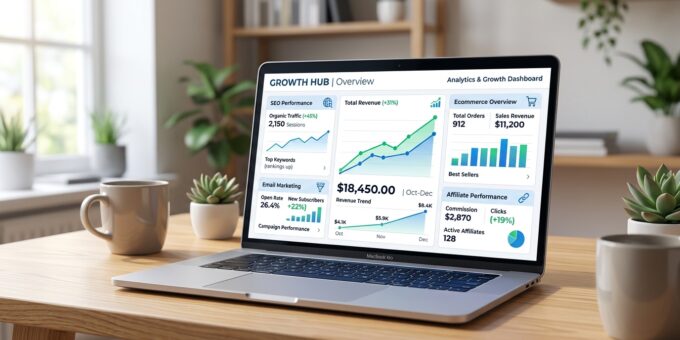
Many people create a website with excitement, publish a few pages, and then wonder why money does not come in. The truth is simple. A website alone is not a business. To make it work, you need a clear strategy, useful content, trusted traffic sources, and the right monetization methods.
In this guide, you will learn how to turn your website into a profitable online business step by step. You will also discover how to use affiliate marketing, digital products, ads, email marketing, and services to build steady income online.
Understand Your Website’s Business Purpose
Before you think about money, you need to know what your website is meant to do. A profitable website solves a problem for a specific audience. It does not try to help everyone.
For example, a fitness website may help beginners lose weight at home. A finance blog may teach students how to budget. A travel website may help families plan affordable holidays. Each website has a clear audience and a clear promise.
This matters because every profitable online business starts with trust. When visitors understand who your website is for, they are more likely to stay, read, subscribe, and buy.
Choose a Profitable Niche
Your niche should sit between your interest, audience demand, and income potential. A niche that is too broad can be hard to rank. A niche that is too narrow may not attract enough traffic.
Good niche examples include personal finance for beginners, skincare for sensitive skin, home workout equipment, student productivity, budget travel, pet care, and website building tools.
You can explore demand by using free tools such as Google Trends. You can also review search results, forums, YouTube comments, and competitor blogs to see what people ask often.
Build a Strong Content Foundation
Content is the engine of most website businesses. It brings traffic, builds authority, and helps visitors make decisions. Without helpful content, your website will struggle to attract organic visitors.
Start by creating content around problems your audience already has. These may include how-to guides, comparison articles, product reviews, tutorials, checklists, and beginner guides.
For example, if your website is about making money online, you could write posts like Affiliate vs Dropshipping: Which Is Better for Beginners? or How to Start Affiliate Marketing with No Experience.
Use SEO to Attract Free Traffic
Search engine optimization helps your website appear in search results. This means people can find your content without paid ads. SEO takes time, but it can become one of the strongest traffic sources for a long-term business.
To improve SEO, use your main keyword naturally in the title, introduction, headings, and body text. Add related phrases as well. For this article, phrases like passive income, online business, affiliate marketing, and dropshipping business support the main topic.
Keep paragraphs short. Use clear headings. Add internal links to related posts. Also include trusted external links, such as Google Search Central, to support your content.
Turn Visitors into an Audience
Traffic is valuable, but an audience is more powerful. Many visitors leave a website and never return. That is why you should collect email subscribers from the beginning.
An email list allows you to contact your readers again. You can send helpful tips, promote new posts, share offers, and build deeper trust. This is one of the most important assets for a profitable website.
Create a Useful Lead Magnet
A lead magnet is a free resource that visitors receive when they join your email list. It should solve a small but urgent problem.
Examples include a budget planner, a beginner checklist, a free mini-course, a printable guide, a template, or a resource list. The goal is to offer quick value.
You can place signup forms in your sidebar, inside blog posts, at the end of articles, and on your homepage. Make the offer simple and clear.
Monetize with Affiliate Marketing
Affiliate marketing is one of the easiest ways to monetize a website. You recommend products or services, and you earn a commission when someone buys through your link.
This method works well because you do not need to create your own product. You can promote tools, courses, software, physical products, financial services, hosting plans, or apps related to your niche.
For example, a website about blogging can recommend web hosting, keyword research tools, email marketing platforms, and WordPress themes. A health website can recommend fitness equipment, meal planning apps, or wellness products.
Promote Products You Trust
Do not promote random products just because they pay high commissions. Your readers trust your recommendations. If you promote poor products, you may earn once but lose long-term credibility.
Choose products that fit your audience. Write honest reviews. Explain both benefits and drawbacks. Add comparison tables when useful. This makes your content more helpful and increases conversions.
You can also create comparison posts around topics such as affiliate vs dropshipping. These posts work well because readers are already comparing options and may be closer to making a decision.
Use Display Ads for Passive Income
Display ads can create passive income from your website traffic. Once ads are active, you can earn money when visitors view or click ads on your pages.
Ad income depends on your niche, traffic location, page views, and user engagement. Finance, software, business, education, and insurance niches often have higher earning potential than general entertainment niches.
To increase ad revenue, focus on high-quality content and user experience. Avoid too many ads above the fold. A slow or crowded website can push visitors away.
Improve ECPM with Better Content
ECPM means estimated earnings per thousand impressions. A higher ECPM means your website earns more from the same amount of traffic.
To improve ECPM, target valuable keywords, write longer helpful articles, attract visitors from high-value countries, and build content around commercial topics. Product reviews, software comparisons, finance guides, and buying guides often perform well.
However, do not write only for ads. Write for people first. Helpful content keeps visitors on the page longer, which can improve engagement and revenue.
Sell Digital Products
Digital products can turn your website into a stronger online business. Unlike ads, you control the pricing, product quality, and customer experience.
Digital products may include ebooks, templates, online courses, printable planners, spreadsheets, stock photos, design assets, or paid guides. They can be sold repeatedly without managing physical inventory.
For example, a budgeting blog could sell a monthly finance planner. A study blog could sell revision templates. A marketing website could sell a content calendar or SEO checklist.
Start with a Simple Product
Your first product does not need to be complicated. Start with a small offer that solves one clear problem. This could be a $9 template, a $19 guide, or a $29 mini-course.
After you get feedback, improve it. Then create higher-value offers. This is safer than spending months building a large product that nobody buys.
Offer Services to Generate Faster Income
Services can help your website earn money faster than ads or SEO alone. If you have a skill, you can offer it directly to your audience.
Common services include writing, consulting, coaching, design, website setup, SEO audits, social media management, virtual assistance, and content strategy.
Service pages should clearly explain what you offer, who it is for, what results clients can expect, and how they can contact you. Add testimonials when possible.
Compare Affiliate Marketing and Dropshipping
Many beginners compare affiliate vs dropshipping when choosing how to make money online. Both can work, but they are different business models.
With affiliate marketing, you promote another company’s product. The company handles payment, delivery, support, and refunds. Your main job is content, traffic, and conversion.
With a dropshipping business, you sell products through your own store. A supplier ships the product to the customer. You control the store and pricing, but you also handle customer service, returns, and product issues.
Affiliate marketing is often simpler for beginners because it has lower risk and fewer operations. Dropshipping can offer more control, but it may require more testing, paid ads, and customer support.
Build Trust with Your Audience
Trust is the difference between a basic website and a real business. People buy from websites they believe in. They also return to websites that consistently help them.
Use a clear About page. Add contact information. Display privacy and disclosure pages. If you use affiliate links, tell readers clearly. This builds transparency.
You should also update old content. Search engines and readers prefer accurate information. Review your best posts every few months and improve them with fresh examples, better links, and clearer explanations.
Track Your Website Performance
You cannot grow what you do not measure. Use analytics to understand which pages bring traffic, which keywords perform well, and which offers make money.
Free tools like Google Analytics and Google Search Console can help you track performance.
Look at your top pages first. Add better internal links, stronger calls to action, updated product recommendations, and email signup forms. Small improvements on popular pages can increase revenue quickly.
Focus on Conversion, Not Just Traffic
Traffic is important, but conversion creates income. A small website with the right audience can earn more than a large website with random visitors.
Use clear buttons. Place affiliate links naturally. Add comparison tables. Recommend only relevant products. Make your website fast and mobile-friendly.
Each page should have a purpose. It may encourage readers to subscribe, click an affiliate link, read another article, buy a product, or contact you.
Create Multiple Income Streams
A profitable website should not depend on one income source only. Algorithms change. Affiliate programs reduce commissions. Ad rates rise and fall.
That is why smart website owners build multiple revenue streams. You can combine ads, affiliate marketing, digital products, sponsored posts, services, and email promotions.
For example, one blog post can earn through ads, recommend an affiliate product, link to your own digital product, and invite readers to join your email list. This makes each visitor more valuable.
Final Thoughts
Learning how to turn your website into a profitable online business takes patience, but it is possible with the right plan. Start with a clear niche. Publish helpful content. Build an email list. Choose monetization methods that match your audience.
Do not chase every trend. Instead, focus on trust, traffic, and conversion. Over time, your website can grow from a simple online presence into a real income-generating asset.
Whether you choose affiliate marketing, a dropshipping business, ads, services, or digital products, the goal is the same. Help your audience solve problems, and build a business around that value.
